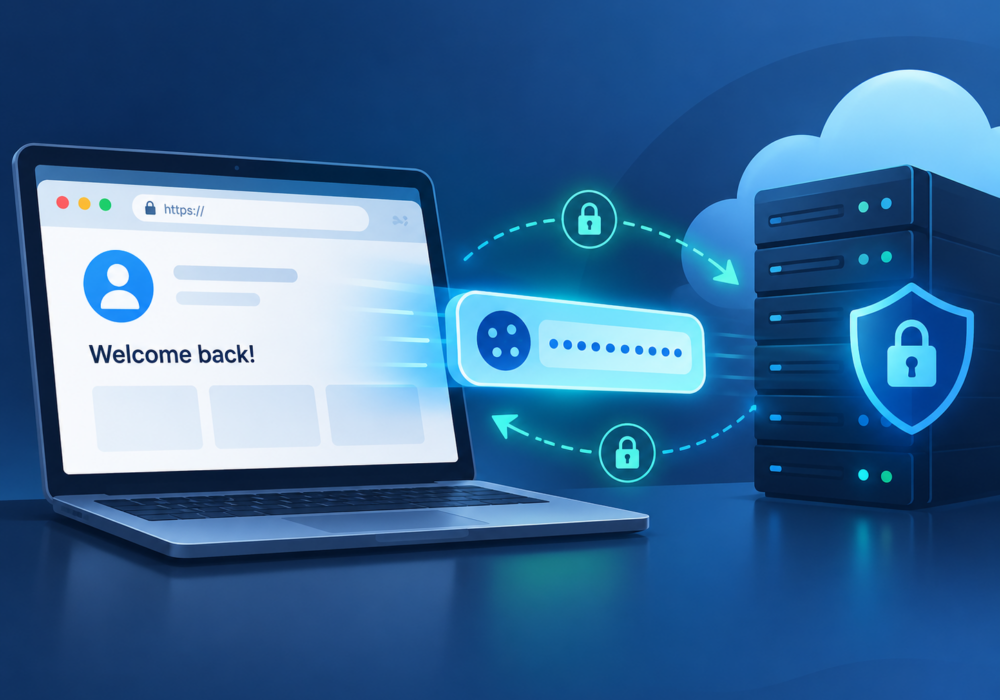
A session token is a temporary digital credential used by a website or application to remember that a user has already authenticated.
When you sign in to an online service, the service needs a way to recognize you as you move between pages or perform different actions. Rather than asking for your password and MFA code repeatedly, the service creates an authenticated session and uses a token or similar credential to associate your activity with that session.
In simple terms, the token tells the application:
“This user has already proven who they are.”
This creates a smoother user experience, but it also means session tokens can become valuable targets for attackers. If a criminal obtains a valid token, the application may recognize the attacker as the legitimate user until the token expires, is revoked, or another security control intervenes.
Modern identity systems can issue several different authentication artifacts, including access tokens, refresh tokens, and session cookies.
SMBs should understand that protecting passwords and MFA codes is only part of protecting an account.
After authentication is completed, the user’s active session also needs protection. Malware, malicious browser extensions, compromised devices, and sophisticated phishing attacks can sometimes target authenticated sessions directly.
Businesses should:
A password reset alone may not always terminate every active session.
MSPs should include session management in identity-security and incident-response procedures.
When a customer reports a compromised account, technicians should consider whether the attacker may already possess a valid session token. Depending on the affected platform, remediation may include revoking active sessions and tokens in addition to resetting passwords and MFA methods.
MSPs should also protect their own privileged sessions carefully. A stolen administrative session could provide access to much more than a single user account.
Signing in securely is important, but security does not end after login.
Session tokens help websites remember authenticated users. If attackers steal those tokens, they may be able to impersonate users without signing in normally.
Additional Reading:
CyberHoot does have some other resources available for your use. Below are links to all of our resources, feel free to check them out whenever you like:
Discover and share the latest cybersecurity trends, tips and best practices – alongside new threats to watch out for.
Author: Katie Boquetti | Editorial: Craig Taylor Editorial by Craig Taylor: Even before Claude Code made...
Read more
Author: Katie Boquetti | Editorial: Craig Taylor Editorial by Craig Taylor: We've known for a while here...
Read more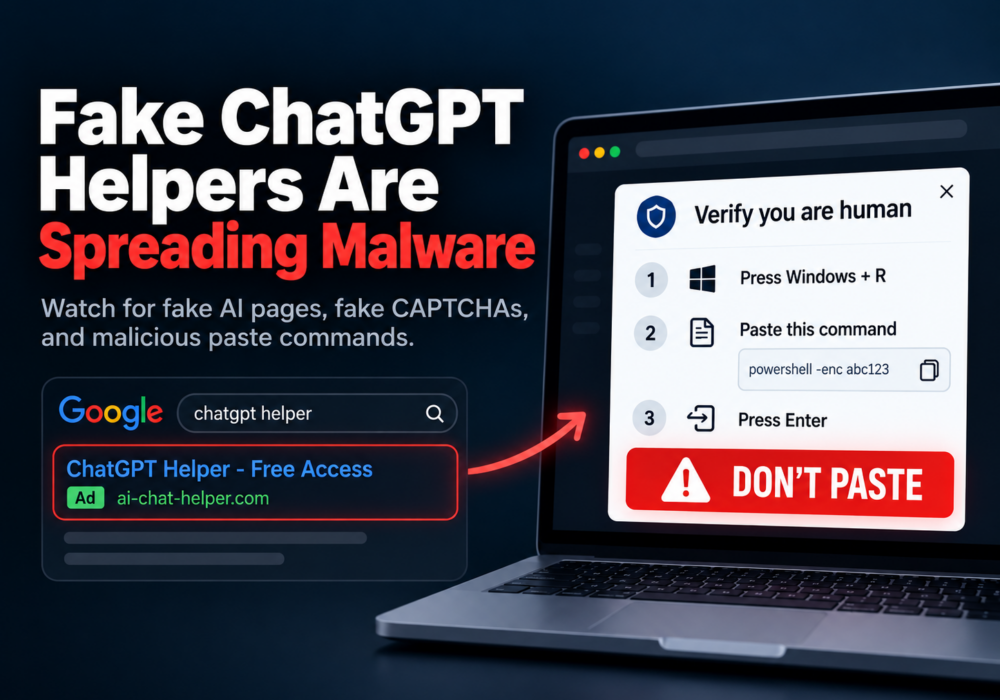
Author: Katie Boquetti | Editorial: Craig Taylor Editorial by Craig Taylor: A CAPTCHA should test whether...
Read moreGet sharper eyes on human risks, with the positive approach that beats traditional phish testing.