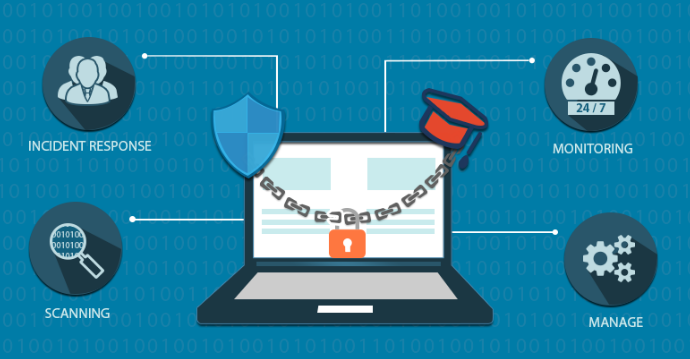
SecurityOperations refers to the actions that go on within a Security Operations Center. Those within the Security Operations Center are concerned with the day-to-day monitoring of access and security of system resources.
What Should My SMB Do?
If you own a business, you need to be doing these basic things to protect your sensitive information:
Govern employees with policies and procedures. You need a password policy, an acceptable use policy, an information handling policy, and a written information security program (WISP) at a minimum.
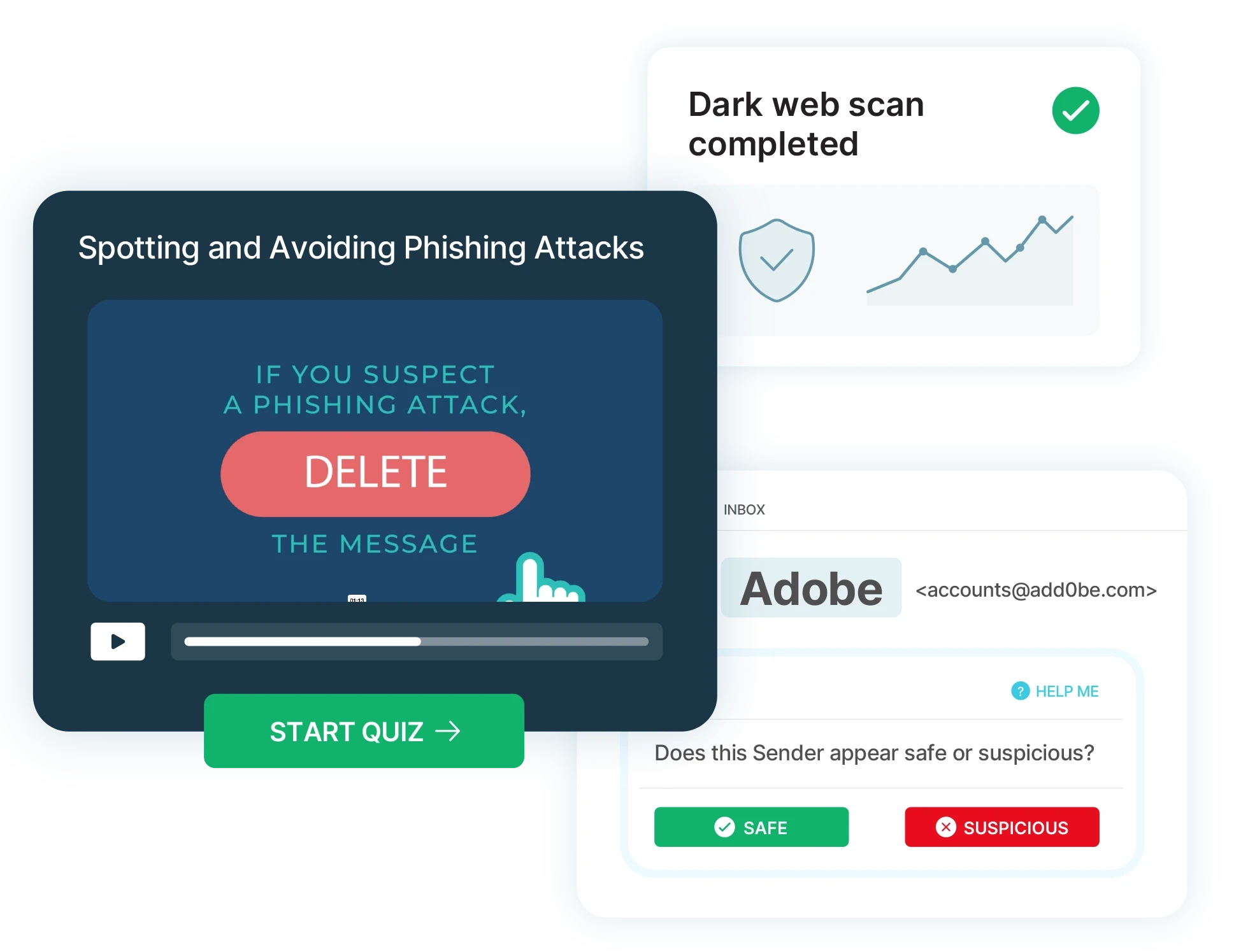
Train employees on how to spot and avoid phishing attacks. Adopt a Learning Management system like CyberHoot to teach employees the skills they need to be more confident, productive, and secure.
Practice spotting phishing with positive simulations. HootPhish tells employees up front it’s a training exercise, walks them through every red flag, and rewards them for spotting it. Practice happens in the open, and every catch gets celebrated.
Deploy critical cybersecurity technology including two-factor authentication on all critical accounts. Enable email SPAM filtering, validate backups, deploy DNS protection, antivirus, and anti-malware on all your endpoints.
In the modern Work-from-Home era, make sure you’re managing personal devices connecting to your network by validating their security (patching, antivirus, DNS protections, etc) or prohibiting their use entirely.
If you haven’t had a risk assessment by a 3rd party in the last 2 years, you should have one now. Establishing a risk management framework in your organization is critical to addressing your most egregious risks with your finite time and money.
Buy Cyber-Insurance as a safety net for the unexpected. Cyber-Insurance is no different than Car, Fire, Flood, or Life insurance. It’s there when you need it most.
 Security Operations refers to the actions that go on within a Security Operations Center. Those within the Security Operations Center are concerned with the day-to-day monitoring of access and security of system resources.