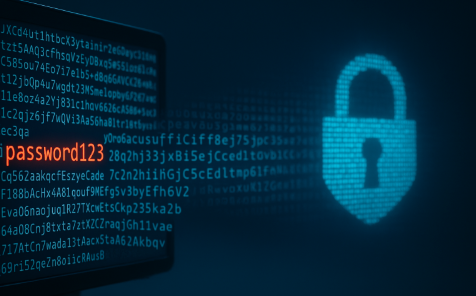
Clear Text (or plaintext) is data that is stored or transmitted without any form of encryption or obfuscation. In other words, the information is readable by anyone who gains access to it, whether it’s sitting in a file, traveling across a network, or stored in memory. Examples of clear text include passwords written in an unprotected file, emails sent without TLS, or sensitive customer data stored in a database without encryption.
For Small and Medium Businesses (SMBs), using clear text puts them at high risk of data breaches and regulatory non-compliance. Hackers target SMBs precisely because many lack strong security controls. If customer records, employee information, or financial data are ever exposed in clear text, the company could face:
For Managed Service Providers (MSPs), handling client data in clear text is a serious liability. Since MSPs often manage multiple customers’ IT environments, a single lapse in encryption could cascade into:
Bottom Line: Clear text is never acceptable for sensitive data. SMBs should insist on encryption at rest and in transit, while MSPs must enforce best practices, such as enforcing encrypted communications (TLS/SSL), using password vaults, and enabling disk/database encryption, to protect client environments and their own business.
Additional Reading:
CyberHoot does have some other resources available for your use. Below are links to all of our resources, feel free to check them out whenever you like:
Discover and share the latest cybersecurity trends, tips and best practices – alongside new threats to watch out for.

Author: Katie Boquetti | Editorial: Craig Taylor Editorial by Craig Taylor: We've known for a while here...
Read more
Author: Katie Boquetti | Editorial: Craig Taylor Editorial by Craig Taylor: A CAPTCHA should test whether...
Read more
Author: Katie Boquetti | Editorial: Craig Taylor Editorial by Craig Taylor: I'm blessed to have...
Read moreGet sharper eyes on human risks, with the positive approach that beats traditional phish testing.