Author: Craig Taylor, CEO CyberHoot
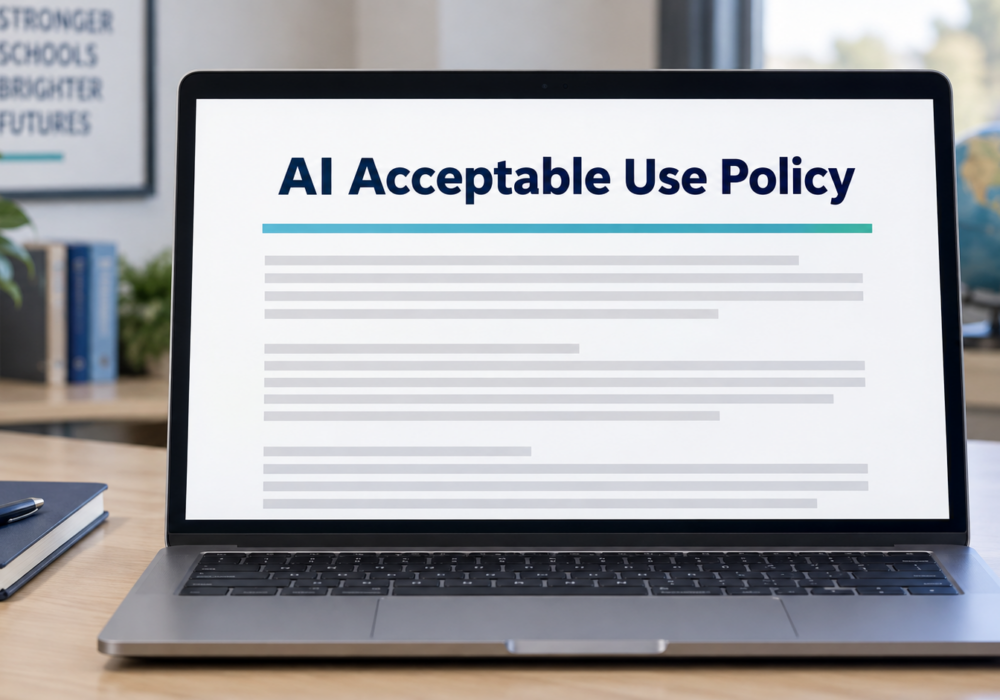
Educators have tremendous responsibilities. They are charged with teaching our next generation the knowledge needed for that generation to succeed. With the advent of AI and it’s use by 92% of students and 77% of educators (source: Digital Education Council AI in Higher Education Survey 2026), another critical responsibility falls on educators: teaching the next generation how to responsibly use AI as a learning tool. That’s why this article provides citations on the dangers and then a Acceptable AI Use Policy and checklist for data entry into AI later on.
Research in medicine shows that how professionals use AI determines whether it sharpens or dulls their skills. When doctors relied on AI to lead the diagnosis, their accuracy did not improve and in some cases got worse, because they stopped doing their own critical thinking (JAMA Network Open, 2024; MIT/NBER, 2023). When AI was later removed, their unassisted performance had measurably declined (Lancet, 2025). The lesson for educators is direct: students who use AI to produce the answer skip the learning. Students who do the thinking first, then use AI to check, refine, and challenge their work, come out stronger. Teaching responsible AI use means teaching students to form their own conclusions before they consult the machine.
A 2025 MIT Media Lab study split 54 participants into three groups and asked them to write essays: one group used only their own knowledge, one used Google Search, and one used ChatGPT. When asked to quote from their own essays just minutes after writing them, 83% of ChatGPT users could not do it. Only 11% of the Google Search group and 11% of the unaided group failed the same task. EEG monitoring showed ChatGPT users had up to 55% less brain connectivity while writing, and their engagement dropped further with each session as they shifted from composing to copying and pasting. When ChatGPT users were later asked to write without AI, 78% still could not recall their own work.
The takeaway for educators is direct: students who let AI produce the work skip the cognitive processing that creates memory and understanding. Teaching students to think first, write first, and then use AI to refine their thinking preserves the learning. Handing AI the blank page erases it.
This next section provides superintendents and school administration a template to adopt which can guide teachers and administrators on the safe use of AI tools. It provides prescriptions for providing approved tools, a decision tree for when you can and still cannot use AI for certain tasks.
PROCEED WITH CAUTION: These are provided as is. They need to be tailored to your school district’s policies and decisions around the use of AI. Some tools protect data better than others. You may wish to make your policy less restrictive, or in the absence of strong tools, more restrictive. The decisions are yours and yours alone to make.
The following privacy policy reviews are opinions only and are not based upon a NIST standard or other generally accepted method of reviewing privacy policies. In fact, no standard exists for the review of privacy policies. Just generally accepted practices.
Discover and share the latest cybersecurity trends, tips and best practices – alongside new threats to watch out for.

Author: Katie Boquetti | Editorial: Craig Taylor Editorial by Craig Taylor: Even before Claude Code made...
Read more
Author: Katie Boquetti | Editorial: Craig Taylor Editorial by Craig Taylor: We've known for a while here...
Read more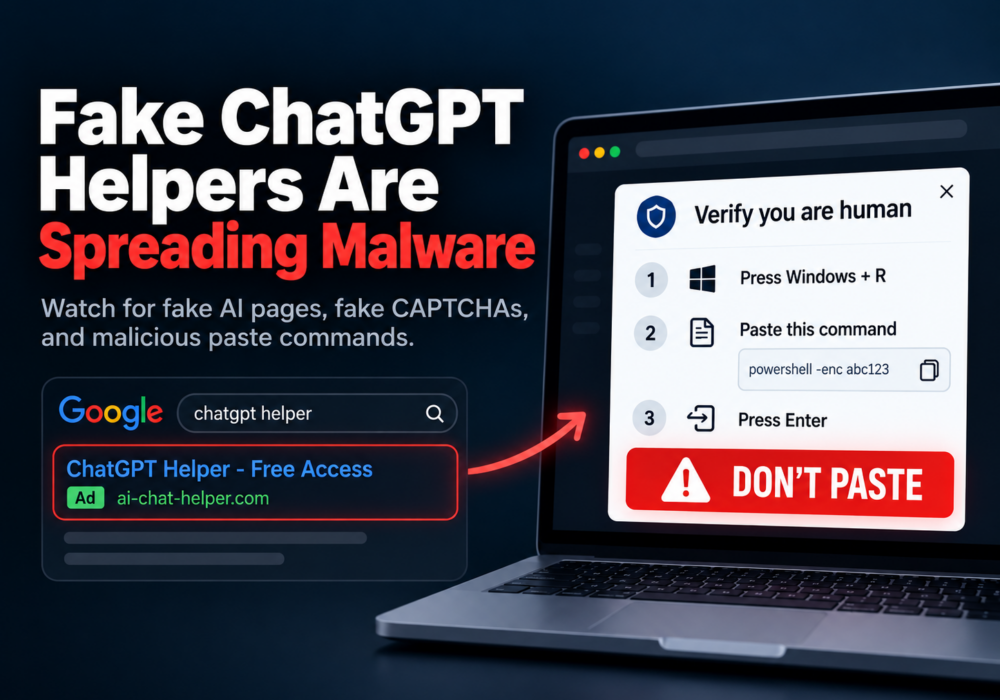
Author: Katie Boquetti | Editorial: Craig Taylor Editorial by Craig Taylor: A CAPTCHA should test whether...
Read moreGet sharper eyes on human risks, with the positive approach that beats traditional phish testing.