HowTo: Add Users to CyberHoot

22nd June 2025 | HowTo, MSP, Platform HowTo: Add Users to CyberHoot

This article explains how to add Local Users to CyberHoot on both Power and Autopilot Platforms.

To add users via Entra ID sync follow this document.

To add users via Google Workspace sync follow this document.

How to Add Local Users on Power Platform

1. Log in to the MSP Portal

  • Log into your CyberHoot MSP environment.

2. Select the Desired Tenant

  • Click the double-arrow icon to switch tenants.

  • Select the appropriate client (e.g., “Acme Corp”).

3. Go to the “Users” Tab

  • Click on the “Users” tab.


USER MANAGEMENT OPTIONS

LOCAL Management

A. Add a Single User

  1. Click “Add User”.

  2. Fill out:

    • First Name

    • Last Name

    • Email

    • Manager Name (select or add manually)

  3. Assign to the Default Group.

  4. Click “Add User”.


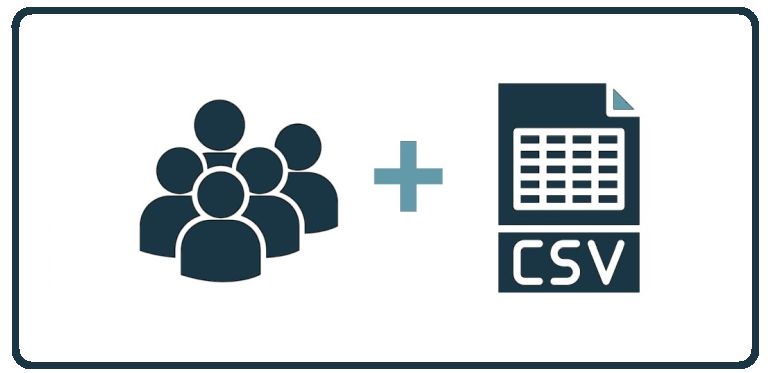
B. Add Users via CSV

  1. Click “Download CSV Template”.

  2. Fill out the CSV:

    • Columns A–C: Employee First Name, Last Name, Email

    • Columns D–F: Manager First Name, Last Name, Email

    • Optional: Group(s)

  3. Upload using the “Upload CSV” button.


How to Add a New User on Autopilot Platform

1. Log in to the MSP Portal

  • Log into your CyberHoot MSP environment.

2. Select the Desired Tenant

  • Select the appropriate client (e.g., “Acme Corp”).

3. Go to the “Users” icon.

  • Click on “Users”.


USER MANAGEMENT OPTIONS

LOCAL Management

A. Add a Single User

  1. Click “Add User”.

  2. Fill out:

    • First Name, Last Name

    • Email

    • Manager Name

  3. Click “Add +”.


B. Add Users via CSV

  1. Click “CSV Upload”.

  2. Fill out the CSV:

    • Column A: Employee FirstName LastName (Both on the “A” column)

    • Columns B: Employee’s Email

  3. Upload using the “Process CSV” button.


Latest Blogs

Stay sharp with the latest security insights

Discover and share the latest cybersecurity trends, tips and best practices – alongside new threats to watch out for.

Malicious Chrome Extension Disguised as  a Business Tools

Malicious Chrome Extension Disguised as a Business Tools

If a Chrome extension promises to remove security pop-ups and generate MFA codes, that should make you...

Read more
Sneaky Browser Extensions Are Hijacking ChatGPT Sessions

Sneaky Browser Extensions Are Hijacking ChatGPT Sessions

Cyberattacks usually start with phishing emails or weak passwords. This one did not. Security researchers...

Read more
Cybersecurity Leader Uploads Sensitive Files to AI

Cybersecurity Leader Uploads Sensitive Files to AI

Not surprising when Trouble Ensues Last summer, the interim head of a major U.S. cybersecurity agency uploaded...

Read more