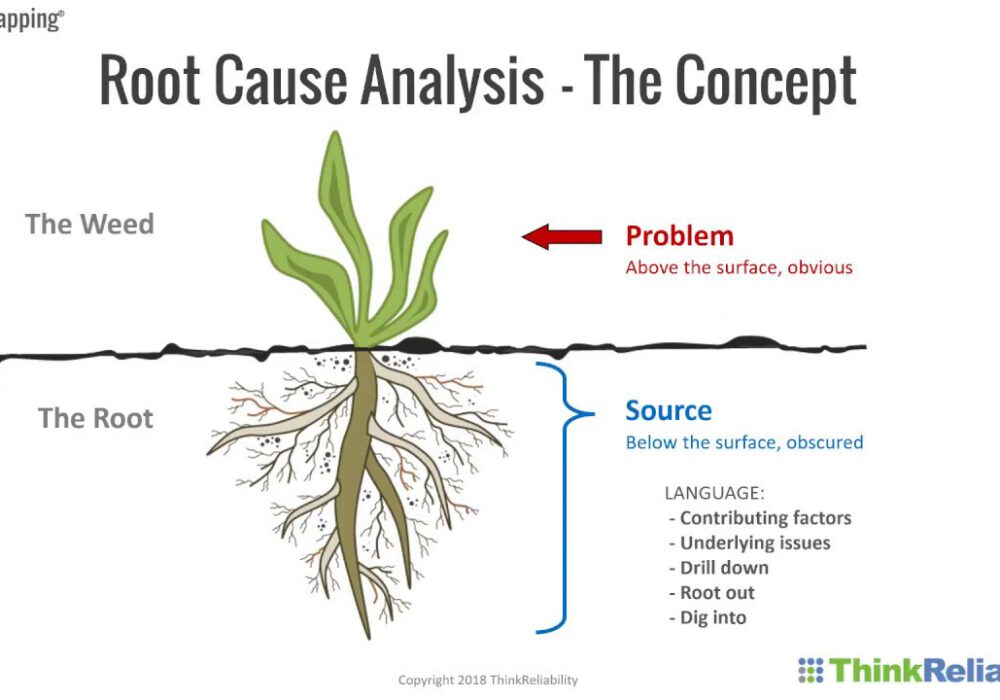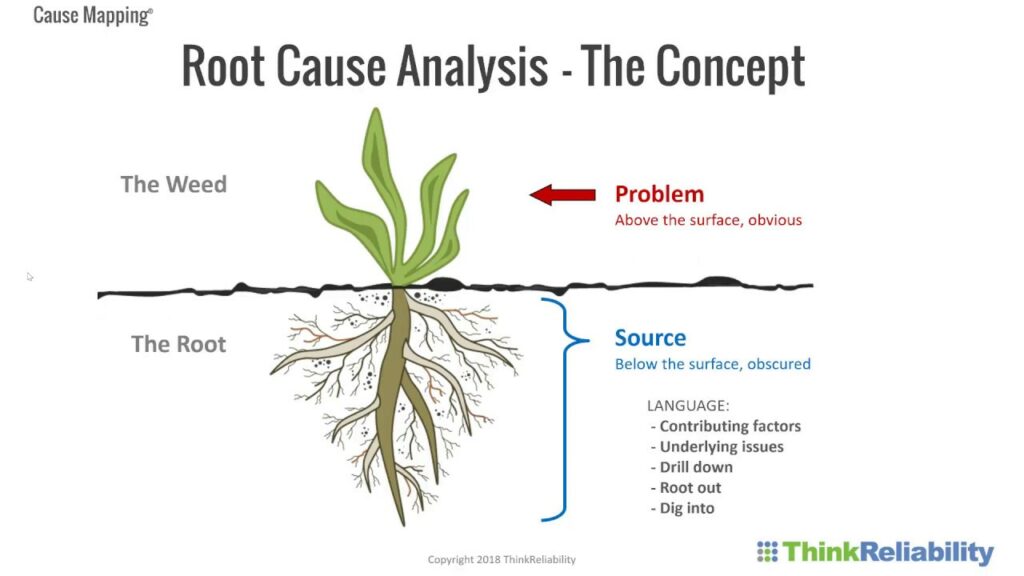
Root Cause Analysis (or RCA) is a vital tool for all businesses to use when evaluating incidents in the incident response process (or any major event for that matter). SMB’s need to understand not only their vulnerabilities or weaknesses, but what ultimately caused one to be realized as well. Root Cause Analysis can be easily done at a high level by investigating the following five questions:
Yes. It is a fairly straight forward process and should be used by SMB’s for any major incident you experience. Make sure you ask the five why’s as well to get to the true source or Root of the issue.
Related Term: Incident Response
Sources: National Institute of Standards and Technology, NIST
Additional Reading: Mind Tools Article on Root Cause Analysis
Discover and share the latest cybersecurity trends, tips and best practices – alongside new threats to watch out for.

Most phishing tests lie to your employees. This one says hello first! HootPhish tells people up front: this is...
Read more
Severity: CRITICAL (CVSS 9.2) | Issued: October 22, 2026 On October 21, two critical flaws in PHP,...
Read more
Author: Katie Boquetti | Editorial: Craig Taylor Editorial by Craig Taylor: Even before Claude Code made...
Read moreGet sharper eyes on human risks, with the positive approach that beats traditional phish testing.