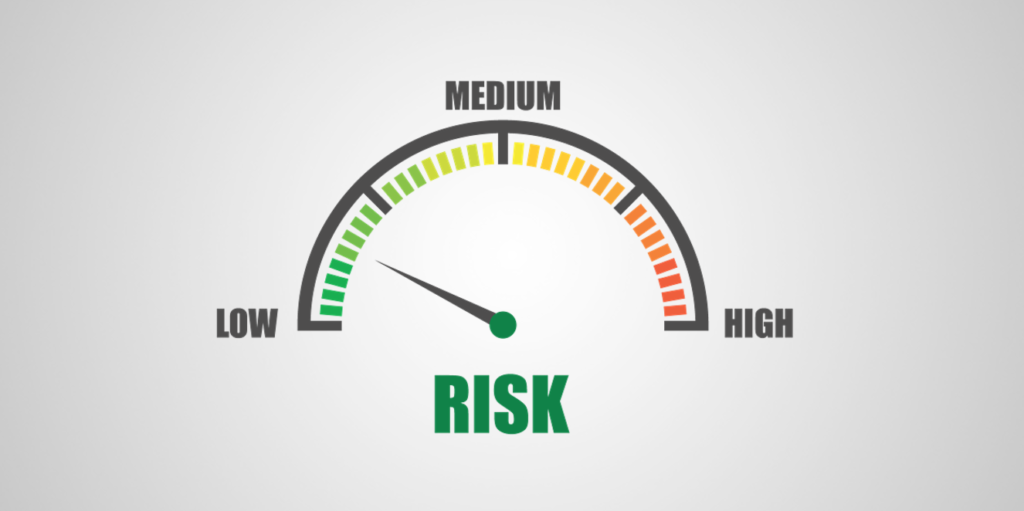
Risk Reduction (limitation) is the most common risk management strategy used by businesses. This strategy limits a company’s exposure by taking some action. It is a strategy employing a bit of risk acceptance along with a bit of risk avoidance or a combination of both. An example of risk reduction would be a company accepting that a disk drive may fail and avoiding a long period of failure by having backups.
SMBs are most certainly are at risk to everyday hackers. Hackers breach Small to Medium Sized businesses 15x more often than larger firms. Hackers know this and target you because of it. SMB’s generally lack resources to properly secure systems, fail to train employees on cybersecurity hygiene, and sometimes lack proper security tools.
For these reasons, CyberHoot recommends all SMB’s take these actions:
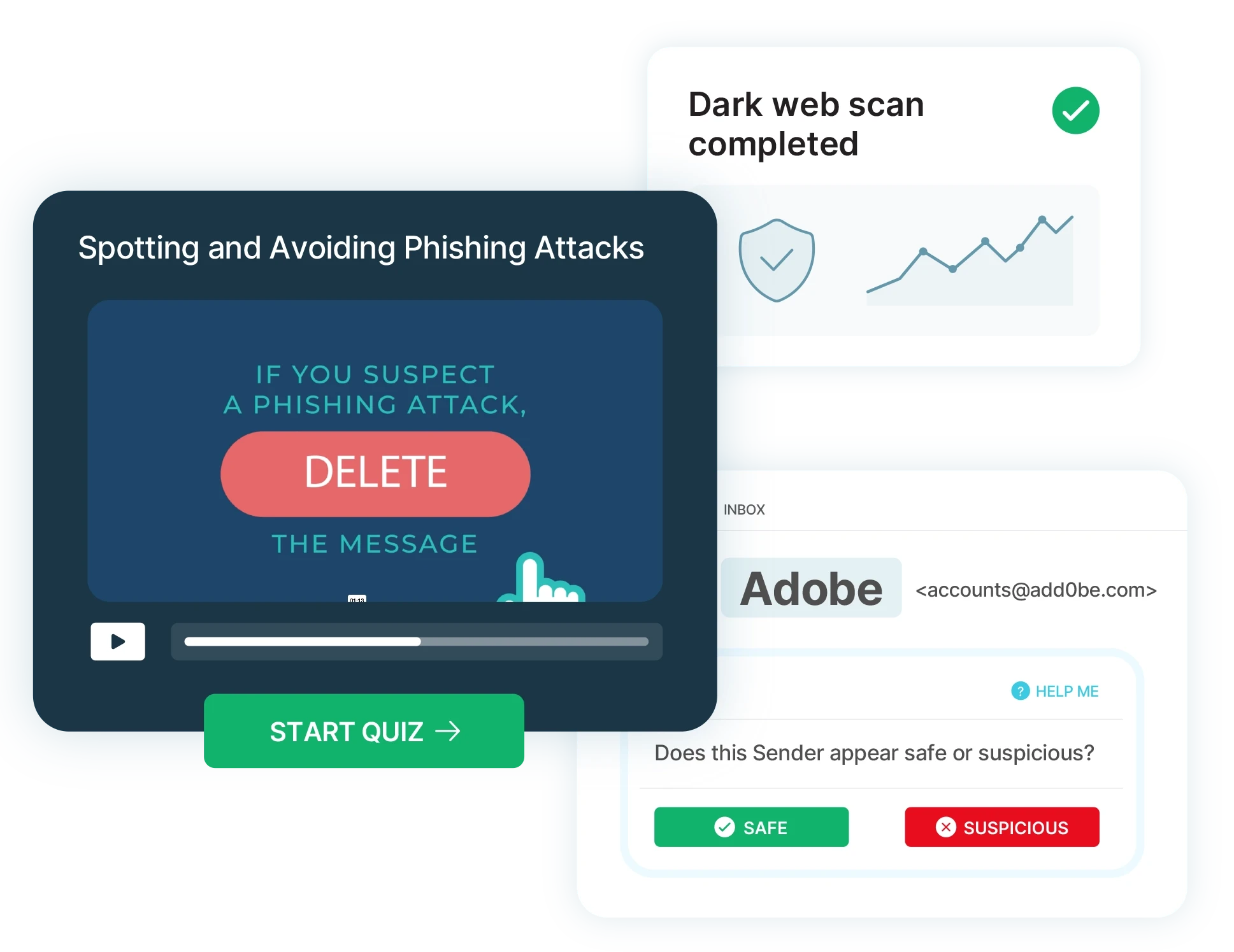
Train employees on how to spot and delete phishing emails. Here’s a free video to help with this: How to Protect Yourself from Phishing Attacks.
Taking these proactive measures can reduce your risk of a costly breach, downtime, brand damage, and a cyber insurance claim (or all four).
Related Terms: Risk Acceptance, Risk Avoidance, Risk Transfer, Risk Mitigation
Discover and share the latest cybersecurity trends, tips and best practices – alongside new threats to watch out for.

A guide to spotting senior executive impersonation scams before the fake CEO gets a real wire transfer. It...
Read more
Artificial Intelligence (or AI) is making phishing emails smarter, malware sneakier, and credential theft easier...
Read more
DocuSign has become one of the most trusted tools in modern business. Contracts, HR paperwork, NDAs, vendor...
Read moreGet sharper eyes on human risks, with the positive approach that beats traditional phish testing.