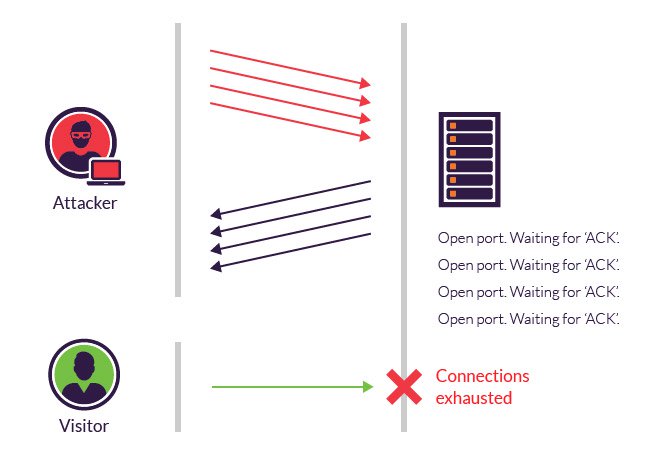
Flooding is a Denial of Service (DoS) attack that is designed to bring a network or other service down due to large amount of traffic, hence the term “flooding”. These flood attacks occur when a network becomes overloaded with information, also known as packets, initiating incomplete connection requests that it can no longer process real connection requests. When an attacker floods the system with these requests that can’t be completed, it fills up the networks memory buffer. When the memory buffer is full of data, no other connections can be made to the network; causing a Denial of Service.
Source: Webopedia
Related Terms: Denial of Service (DoS), Distributed Denial of Service (DDoS)
Denial of Service attacks may pose a potential threat against gambling companies or other mid-to-large enterprises such as banks and defense contractors. DoS attacks are rarely used against SMB’s unless they upset a hacker group. In other cases, one hacking group against another. We are not saying it won’t happen, but the cost of protection is so great in many cases, the advice to an SMB is to know what it is, and establish a relationship with a DDoS protection vendor without paying for protection. DDoS protection vendors include: Arbor Networks, AT&T, Verizon, and Akamai. Mid-to-Large enterprises should have contracts in place to protect themselves in seconds when hit with a DDOS attack. SMB’s should not.
Discover and share the latest cybersecurity trends, tips and best practices – alongside new threats to watch out for.

Tax season keeps accountants busy, and it keeps scammers busy too. Early this summer, a CPA firm became the...
Read more
Researchers went looking for a fake photo upscaler and found something stranger: a ransomware kit an AI model...
Read more
For four years, CyberHoot has argued the same thing on its blog: passwords are major weak link. They get reused,...
Read moreGet sharper eyes on human risks, with the positive approach that beats traditional phish testing.