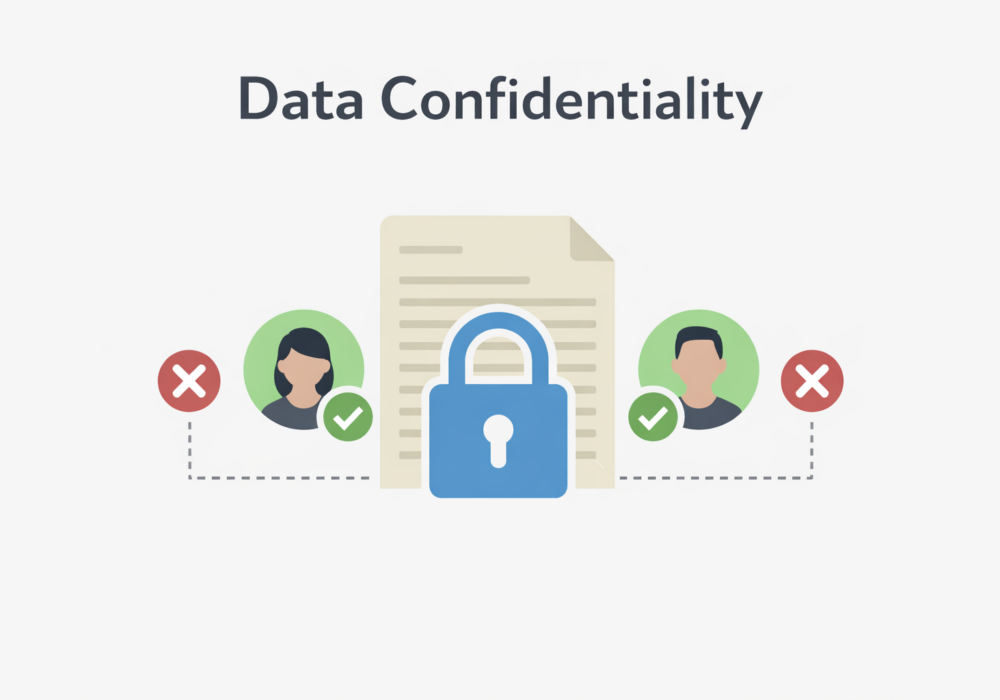
Data Confidentiality is the assurance that information is only accessible to authorized individuals and is not disclosed to anyone without a legitimate need-to-know. It focuses on protecting data from unauthorized viewing, sharing, or exposure, whether accidental or intentional. This is a foundational element of the CIA triad (Confidentiality, Integrity, and Availability).
Confidentiality is maintained through controls such as access restrictions, encryption, authentication, and user permissions. When confidentiality fails, sensitive data such as financial records, personal information, or intellectual property can be exposed, leading to legal, financial, and reputational damage.
For small and medium-sized businesses, confidentiality is about protecting sensitive business and customer data from exposure.
In practical terms, SMBs should:
For Managed Service Providers, confidentiality is a critical responsibility across all client environments.
In practice, MSPs must:
Data confidentiality ensures that sensitive information stays private and only in the hands of those authorized to see it.
For SMBs, it protects customer trust and business integrity.
For MSPs, it defines their responsibility to safeguard client data across every system they manage.
Additional Reading:
CyberHoot does have some other resources available for your use. Below are links to all of our resources, feel free to check them out whenever you like:
Discover and share the latest cybersecurity trends, tips and best practices – alongside new threats to watch out for.

Author: Katie Boquetti | Editorial: Craig Taylor Editorial by Craig Taylor: Even before Claude Code made...
Read more
Author: Katie Boquetti | Editorial: Craig Taylor Editorial by Craig Taylor: We've known for a while here...
Read more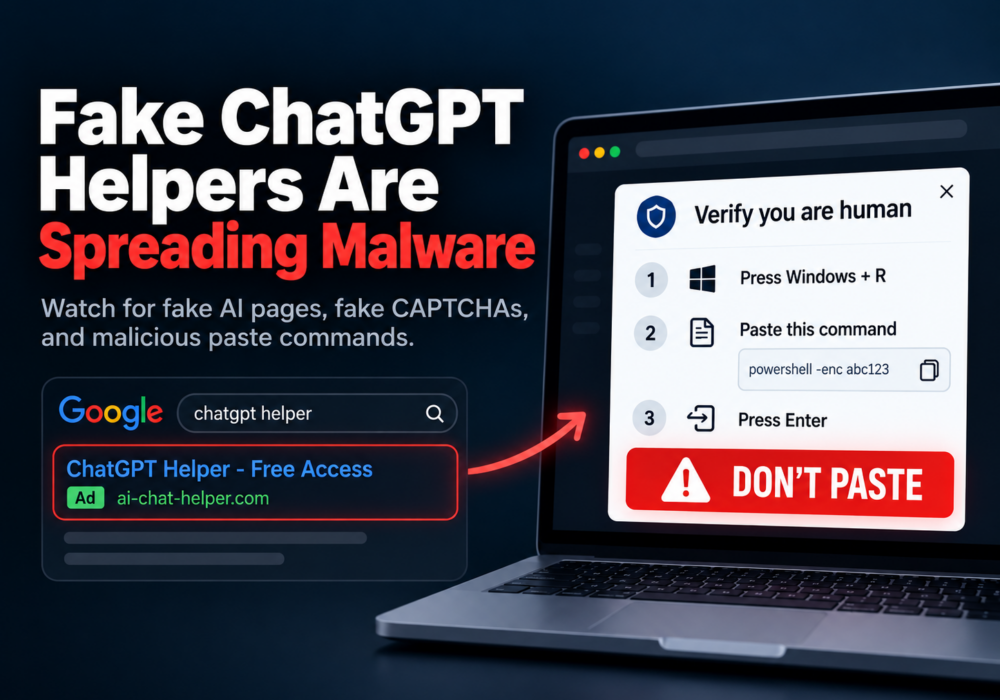
Author: Katie Boquetti | Editorial: Craig Taylor Editorial by Craig Taylor: A CAPTCHA should test whether...
Read moreGet sharper eyes on human risks, with the positive approach that beats traditional phish testing.