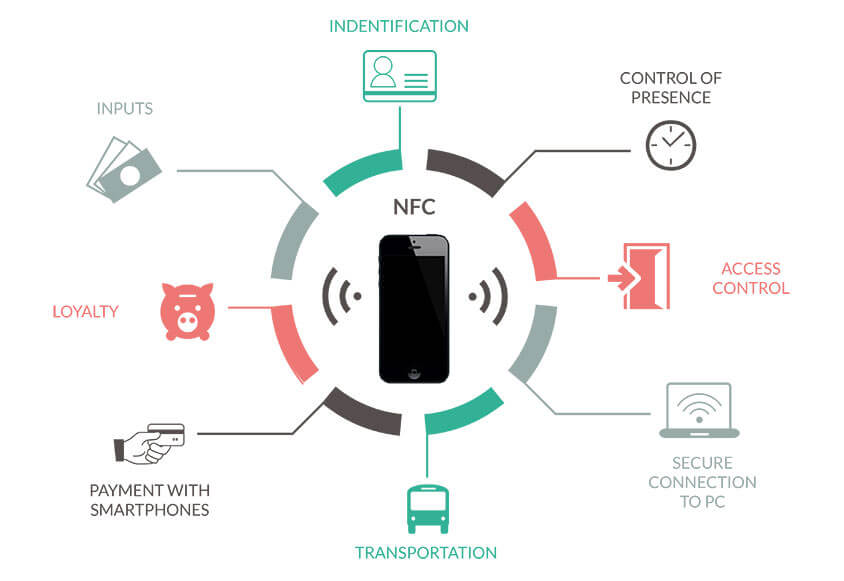
Near Field Communications (NFC) is a short-range wireless technology that enables simple and secure communication between electronic devices. It may be used on its own or in combination with other wireless technologies, such as Bluetooth. The communication range of NFC is between 5 and 10 centimeters, allowing devices in close proximity of each other to communicate and share data. This makes NFC ideal for secure transactions, such as contactless payments at a checkout counter. NFC is being used by Android OS devices, allowing them to connect to certain devices very easily, and to transfer data (photos, videos, document, etc) to someone easily. This is very similar to the AirDrop feature on Apple OS devices, where it can transfer data to someone else in the vicinity in seconds by using a combination of Wi-Fi and bluetooth to connect to another Apple OS device. NFC is commonly used in other places as well such as, paying a fare on public transit, checking in and checking out at a hotel, loading information about an artist or piece of art at a museum, or to unlock an NFC-enabled door lock.
Source: TechTerms
Additional Reading: Hackers May Exploit Android NFC Beaming Vulnerability To Deliver Malware
What is NFC? Everything you need to know
Related Term: Radio Frequency Identification (RFID)
Near field communication chips are increasingly being used inside authentication devices. While physical badge access devices for building access are still dominated by RFID (Radio Frequency Identifier) technologies, computer based authentication mechanisms are on the market from vendors like Yubico’s NFC enabled authentication token. This is a great way to add a second factor to your authentication mechanisms for your smart phone or desktop computer/laptop.
Discover and share the latest cybersecurity trends, tips and best practices – alongside new threats to watch out for.

Author: Craig Taylor I cannot visit a coffee shop, go for a round of golf, have a friendly conversation with...
Read more
AI tools moved into our everyday work-life incredibly fast! Someone on your team writes an email with ChatGPT....
Read more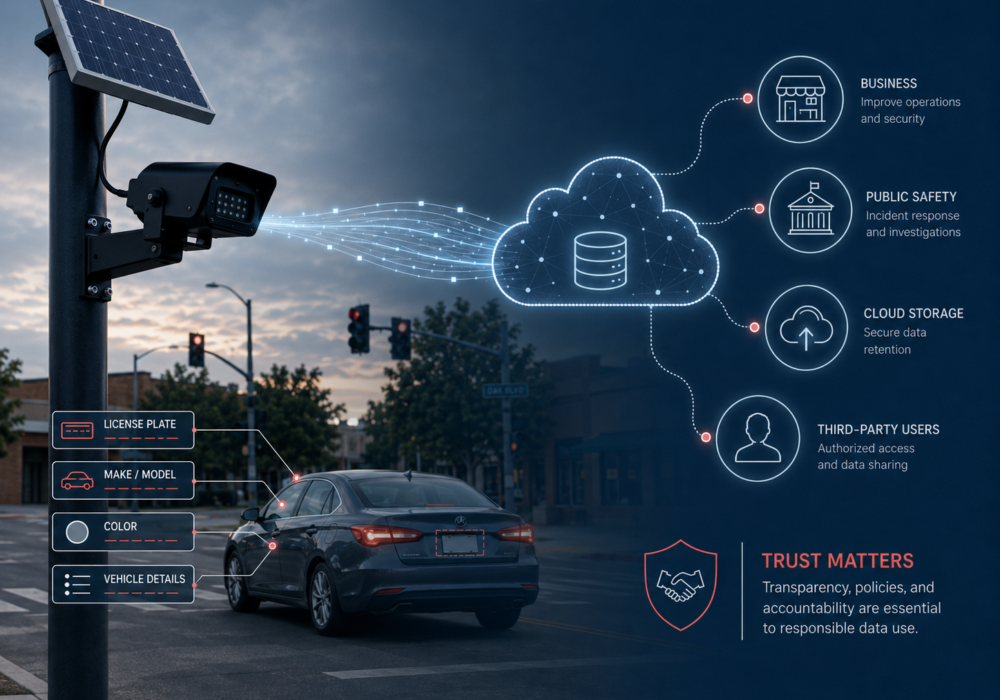
You have seen them before. A small black camera on a pole near an intersection, a solar panel on top, quietly...
Read moreGet sharper eyes on human risks, with the positive approach that beats traditional phish testing.