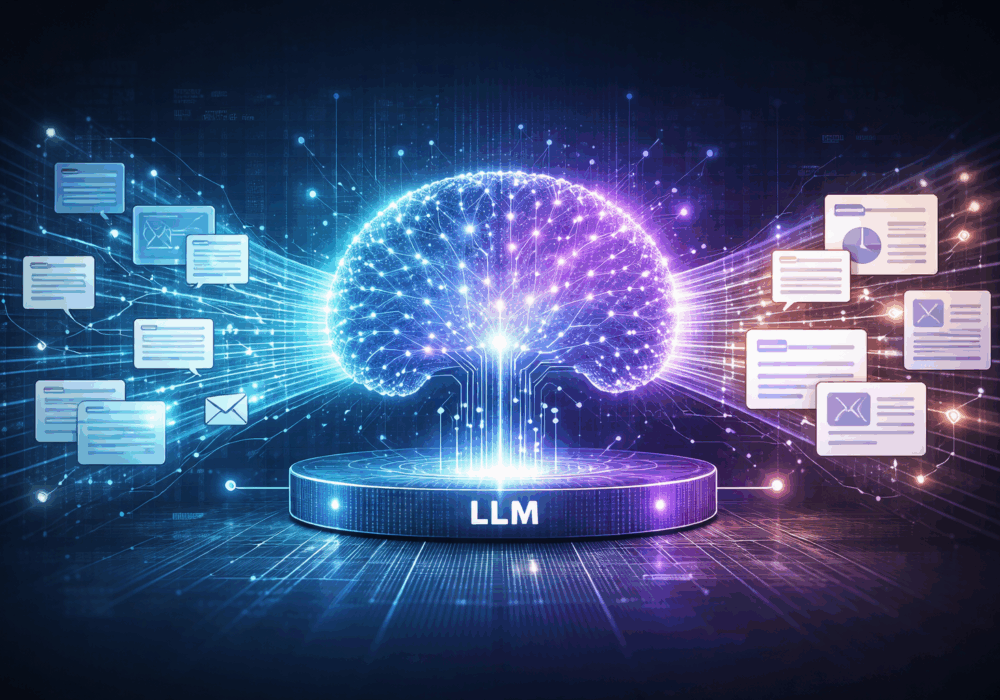
A large language model (LLM) is a type of artificial intelligence model trained on massive volumes of text to understand, generate, and reason over human language. LLMs power modern generative AI systems such as ChatGPT, Claude, Gemini, and similar tools. They work by predicting the most likely next word or sequence of words based on context, rather than by truly understanding meaning or intent.
LLMs are highly capable at tasks like summarization, translation, drafting content, answering questions, and assisting with analysis. However, they do not possess awareness, judgment, or intrinsic knowledge of truth. Their outputs are probabilistic and dependent on training data, prompts, and guardrails.
For any business, LLMs can be powerful productivity tools, but they must be used with clear expectations, understanding, and controls.
Key implications include:
In short, LLMs are force multipliers, not replacements for human oversight.
For Managed Service Providers, LLMs introduce both opportunity and responsibility.
Key considerations include:
LLMs are powerful language engines, not intelligent decision-makers.
For SMBs and MSPs alike:
Want to watch a video overview on LLMs? Scroll down to find a 1 hour overview of Large Language Models by Andrej Karpathy, a AI expert with over 1.2M followers on YouTube.
Additional Reading:
CyberHoot does have some other resources available for your use. Below are links to all of our resources, feel free to check them out whenever you like:
Discover and share the latest cybersecurity trends, tips and best practices – alongside new threats to watch out for.

Author: Katie Boquetti | Editorial: Craig Taylor Editorial by Craig Taylor: We've known for a while here...
Read more
Author: Katie Boquetti | Editorial: Craig Taylor Editorial by Craig Taylor: A CAPTCHA should test whether...
Read more
Author: Katie Boquetti | Editorial: Craig Taylor Editorial by Craig Taylor: I'm blessed to have...
Read moreGet sharper eyes on human risks, with the positive approach that beats traditional phish testing.