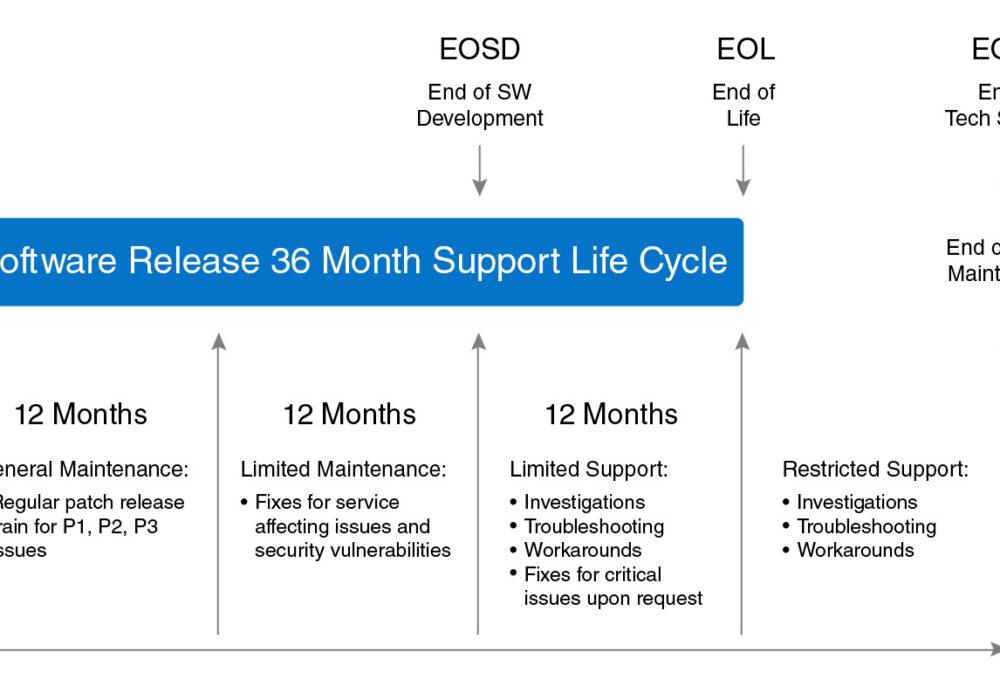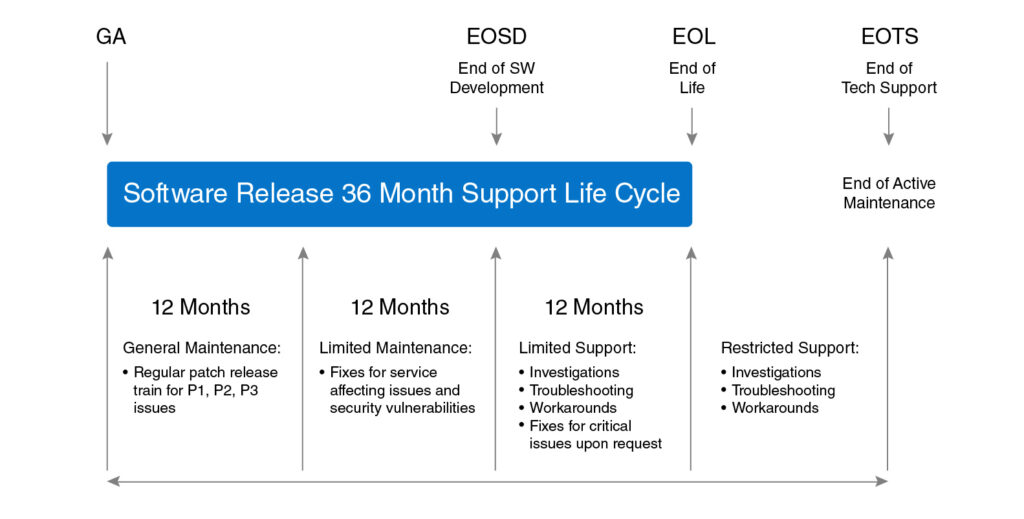
End-of-Life (EOL)/End-of-Support(EOS) describe the final stage of a product’s lifecycle. Once a product reaches EOL/EOS, developers stop updating and patching the product and it is no longer maintained. Software development companies do this often as they release newer versions of their products.
For example, Microsoft suspended support of Windows 7 on Jan 14th 2020 to shift their focus to their operating system – Windows 10 (and future versions). All software development companies do this.
Source: Techopedia
Additional Reading: Get Ready for the Microsoft Windows 7 EOL on January 14th
Related Terms: Agile Development, Waterfall Development, Software Development Life Cycle (SDLC)
SMBs often try and save money by waiting to upgrade devices and software until they are forced to. This is likely way software vendors make certain products EOL/EOS. SMB’s should migrate to newer software and hardware when when the risks of staying on the older hardware (system failure) become to great, or the risks from the software (moving to EOL/EOS) exist. Using older platforms and devices that no longer receive maintenance opens your company up to hackers who can exploit unpatched vulnerabilities in your outdated products. However, SMB’s should also not be the first users to adopt the latest and greatest software, operating systems, or hardware. They cannot afford the down-time from systems that having worked out all the bugs yet. SMB’s should adopt N-1 technology whether hardware or software for the best IT experience.
Discover and share the latest cybersecurity trends, tips and best practices – alongside new threats to watch out for.

Author: Katie Boquetti | Editorial: Craig Taylor Editorial by Craig Taylor: Even before Claude Code made...
Read more
Author: Katie Boquetti | Editorial: Craig Taylor Editorial by Craig Taylor: We've known for a while here...
Read more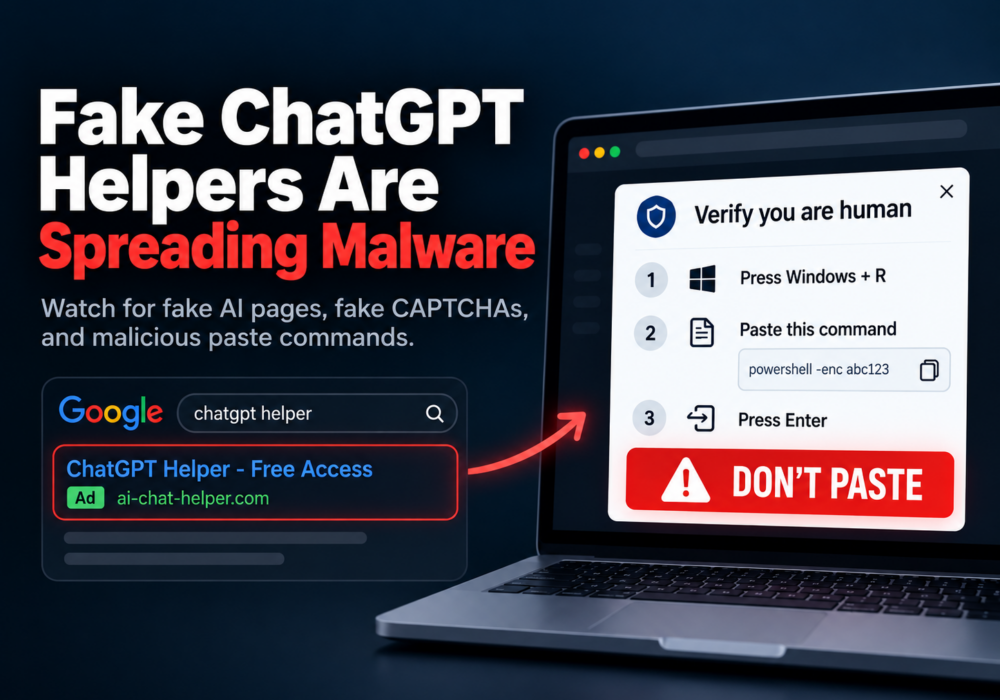
Author: Katie Boquetti | Editorial: Craig Taylor Editorial by Craig Taylor: A CAPTCHA should test whether...
Read moreGet sharper eyes on human risks, with the positive approach that beats traditional phish testing.