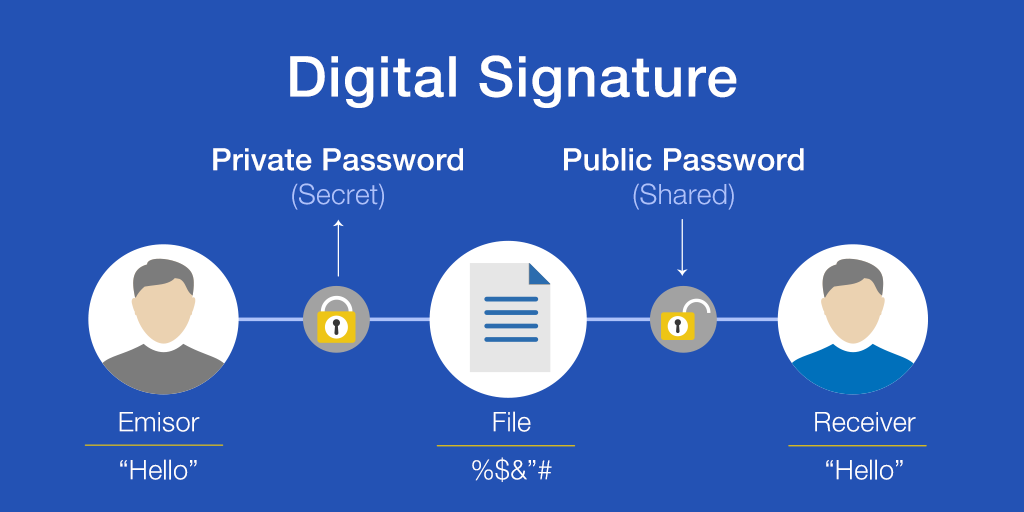
A Digital Signature is a value computed with a cryptographic process using a private key and then appended to a data object, thereby digitally signing the data. This is essentially a scheme that verifies the authenticity of the documents.
Your business needs to take proactive measures today to first reduce its chances of being hit by ransomware, phishing, or other cybersecurity attacks. Secondly, validate backups and disaster recovery plans are current and functioning in case you end up hit with ransomware. CyberHoot recommends the following best practices to avoid, prepare for, and prevent damage from these attacks:
Start building your robust, defense-in-depth cybersecurity plan at CyberHoot.
Related Term: Authenticity, Electronic Signature, Non-Repudiation, Integrity
Source: CNSSI 4009, IETF RFC 2828, ICAM SAML 2.0 WB SSO Profile 1.0.2, InCommon Glossary, NIST SP 800-63 Rev 1
Discover and share the latest cybersecurity trends, tips and best practices – alongside new threats to watch out for.

Severity: CRITICAL (CVSS 9.2) | Issued: October 22, 2026 On October 21, two critical flaws in PHP,...
Read more
Author: Katie Boquetti | Editorial: Craig Taylor Editorial by Craig Taylor: Even before Claude Code made...
Read more
Author: Katie Boquetti | Editorial: Craig Taylor Editorial by Craig Taylor: We've known for a while here...
Read moreGet sharper eyes on human risks, with the positive approach that beats traditional phish testing.