A Critical Application is any system whose compromise would cause significant business, financial, legal, or operational damage. The key idea is not the technology itself, but the impact if something goes wrong.
A critical application handles high-risk information or processes. If that data is lost, altered, exposed, or unavailable, the consequences are serious.
It requires elevated cybersecurity controls and oversight, not just standard protections.
It is treated as “major”, meaning it gets priority in monitoring, access control, backups, and incident response.
All applications need protection, but not all need the same level. Some systems can rely on infrastructure-level protections like redundancy, while critical applications require direct, intentional security management.
A system is “critical” if a failure would result in:
Examples include identity systems, financial systems, email platforms, EHR systems, or anything tied to core operations.
For small and medium businesses, this is where things get real.
Most SMBs do not have many systems, but the few they rely on are often extremely critical.
Typical SMB critical applications:
The mistake SMBs make is treating everything equally or assuming cloud providers “handle security.” They don’t. They handle infrastructure, not your data access, configurations, or user behavior.
For SMBs, defining critical applications means:
If an SMB gets this right, they dramatically reduce risk without needing enterprise-level spending.
For managed service providers, this concept becomes a service delivery framework.
MSPs should:
For critical applications, MSPs typically enforce:
This also ties directly into vCISO value. Instead of generic recommendations, MSPs can say:
“These are your critical systems. If one fails, your business stops. Here is how we protect them.”
That shifts the conversation from tools to risk, which is where real decisions happen.
A Critical Application is not defined by complexity. It is defined by impact.
For SMBs, it tells you where to focus limited resources.
For MSPs, it becomes the foundation for prioritized, risk-based security services that clients actually understand and value.
Additional Reading:
CyberHoot does have some other resources available for your use. Below are links to all of our resources, feel free to check them out whenever you like:
Discover and share the latest cybersecurity trends, tips and best practices – alongside new threats to watch out for.

Author: Katie Boquetti | Editorial: Craig Taylor Editorial by Craig Taylor: Even before Claude Code made...
Read more
Author: Katie Boquetti | Editorial: Craig Taylor Editorial by Craig Taylor: We've known for a while here...
Read more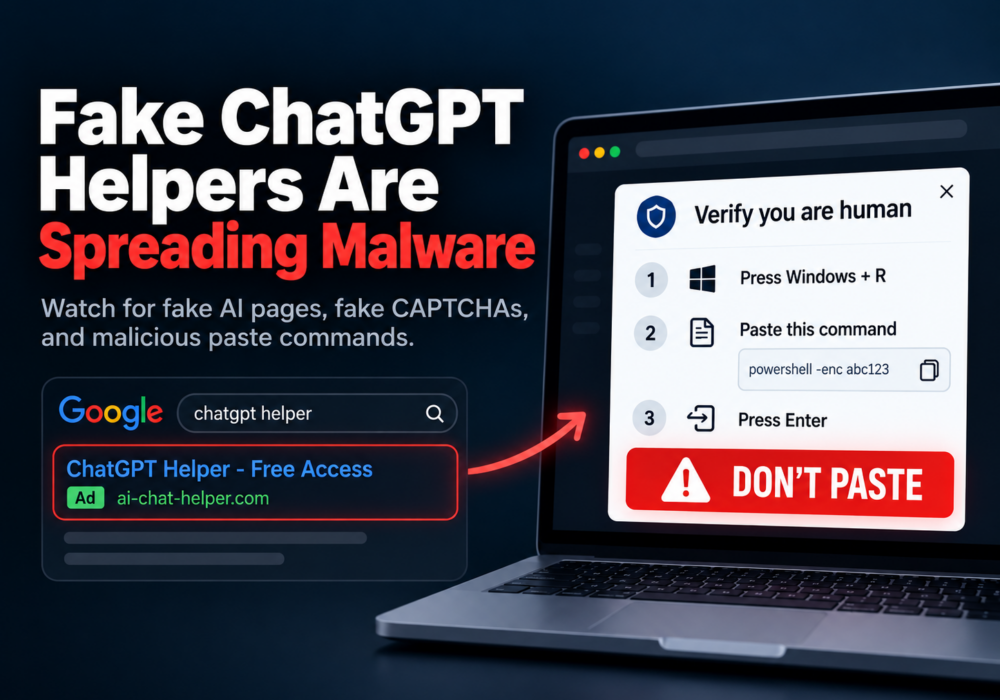
Author: Katie Boquetti | Editorial: Craig Taylor Editorial by Craig Taylor: A CAPTCHA should test whether...
Read moreGet sharper eyes on human risks, with the positive approach that beats traditional phish testing.