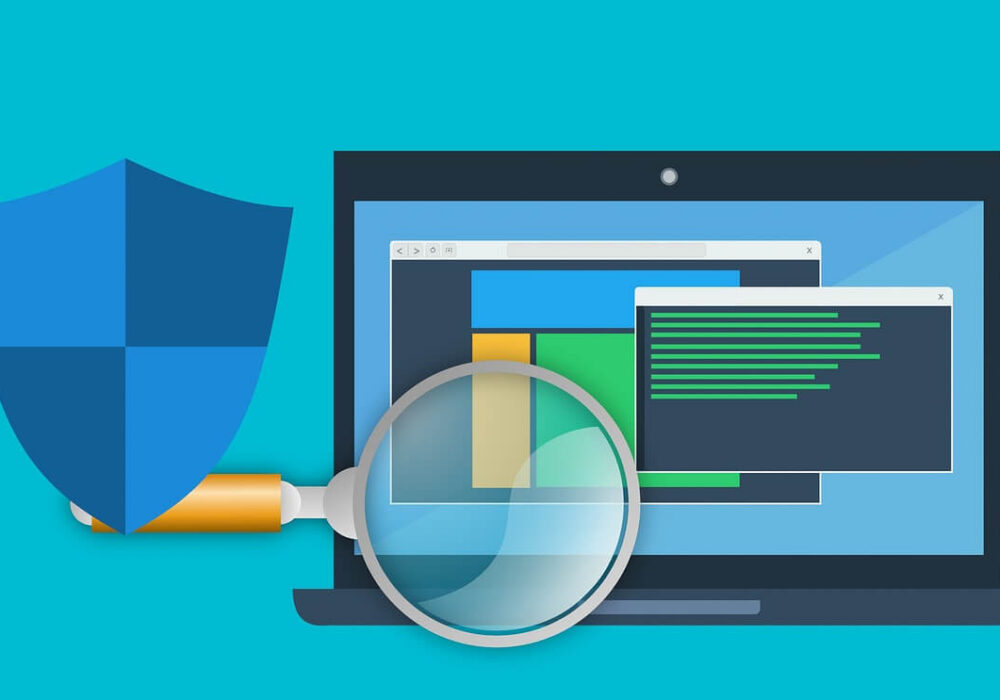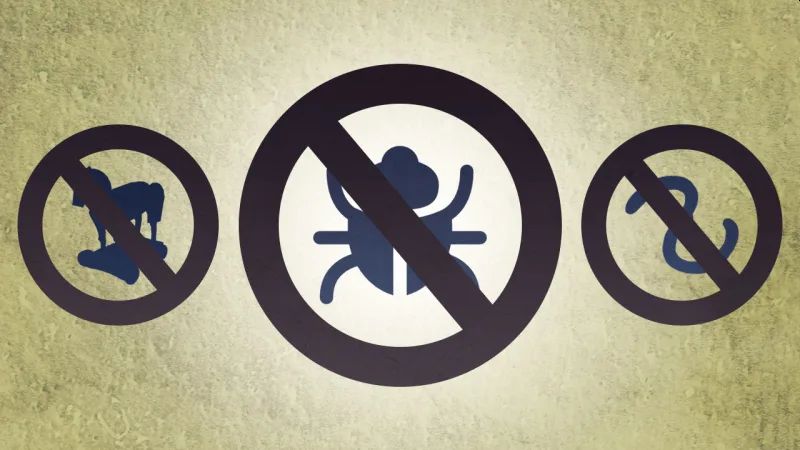
Anti-Malware is a solution that maintains computer security and protects sensitive data that is transmitted by a network or stored on local devices. Anti-malware tools employ signature based scanning strategies as well as heuristics to detect rootkits, worms, Trojans and other types of damaging malware. Anti-Malware is similar to Antivirus in that it protects your systems and devices from viruses. Anti-Malware is essentially another version of Anti-Virus, covering additional types of malware. Antivirus depends more on the signatures of known viruses to detect and prevent infections, much like a flu shot. In comparison, Anti-Malware can identify malware based upon abnormal or harmful behaviors rather than signatures, to detect malicious software.
In general, both protections are advisable for computing systems today.
Source: Fraud Watch Intl.
Additional Reading: Lifehacker: the Difference between Anti-Malware and Antivirus
Related Terms: Antivirus
Regardless of the size, businesses should be employing Anti-Malware on all of their systems. Research has shown that small businesses should especially be employing this anti-malware software, as 60% of small businesses close for good within 6 months following a cyber attack on their company. Having Anti-Malware covering your bases can save your business down the line. It’s always smart to beef up security whenever you have the means.
Discover and share the latest cybersecurity trends, tips and best practices – alongside new threats to watch out for.

Author: Katie Boquetti | Editorial: Craig Taylor Editorial by Craig Taylor: Even before Claude Code made...
Read more
Author: Katie Boquetti | Editorial: Craig Taylor Editorial by Craig Taylor: We've known for a while here...
Read more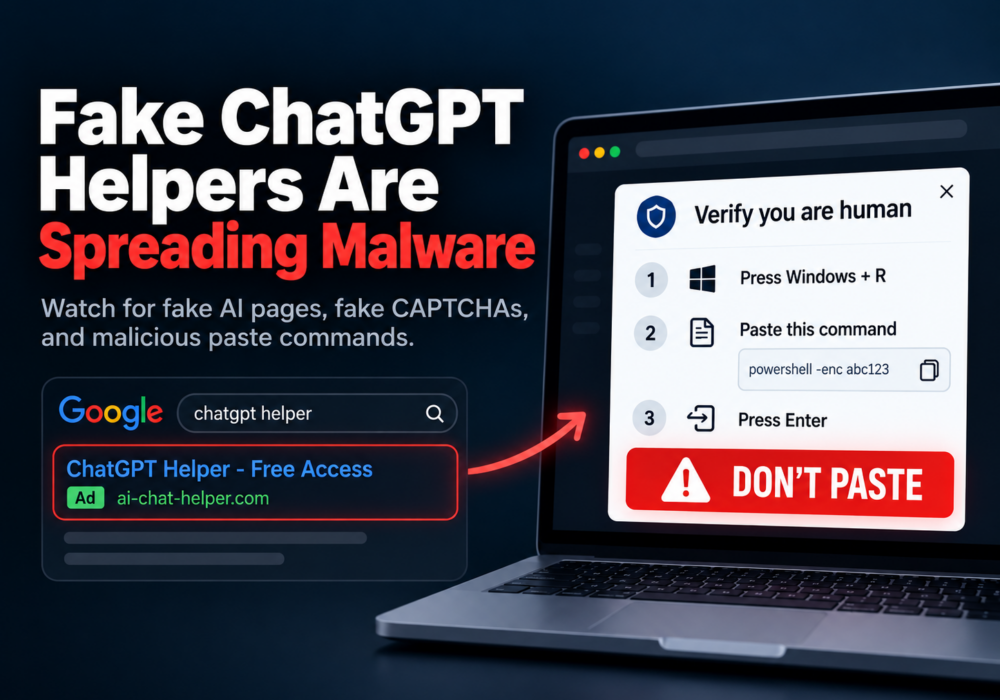
Author: Katie Boquetti | Editorial: Craig Taylor Editorial by Craig Taylor: A CAPTCHA should test whether...
Read moreGet sharper eyes on human risks, with the positive approach that beats traditional phish testing.