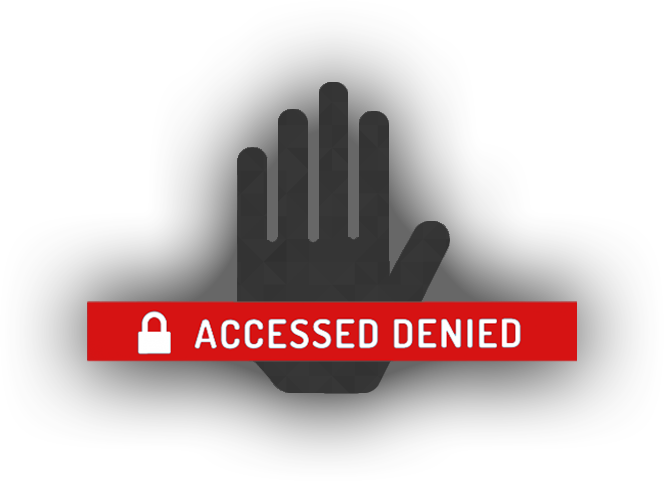
Unauthorized Access is any access that violates the stated security policy. This can be done via an employee accidentally attempting to access a program that only administrators are allowed to access and run, or it can be done maliciously through hacking.
Source: CNSSI 4009
It’s vital to ensure that your organization has policies and processes in place to ensure only authorized personnel are accessing your data and/or systems. Additionally, CyberHoot recommends the following best practices to protect individuals and businesses against, and limit damages from, online cyber attacks:
CyberHoot does have some other resources available for your use. Below are links to all of our resources, feel free to check them out whenever you like:
Note: If you’d like to subscribe to our newsletter, visit any link above (besides infographics) and enter your email address on the right-hand side of the page, and click ‘Send Me Newsletters’. Sign up for the monthly newsletter to help CyberHoot with their mission of making the world ‘More Aware and More Secure!’
Discover and share the latest cybersecurity trends, tips and best practices – alongside new threats to watch out for.
Author: Katie Boquetti | Editorial: Craig Taylor Editorial by Craig Taylor: I remember the early days of...
Read more
Author: Katie Boquetti | Editorial: Craig Taylor Editorial by Craig Taylor: This week's blog has a...
Read more
Every so often a piece of malware comes along with a trick clever enough to make security researchers pause and...
Read moreGet sharper eyes on human risks, with the positive approach that beats traditional phish testing.