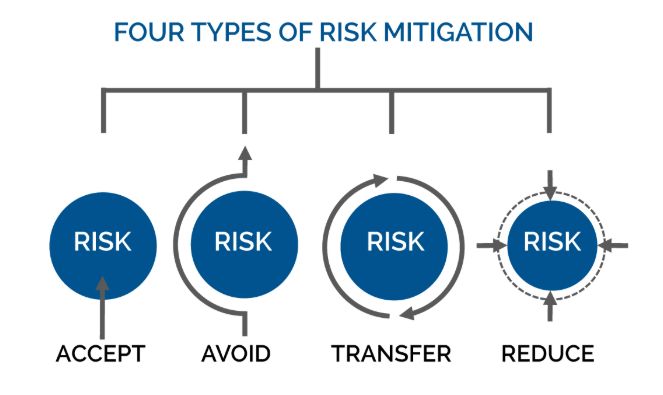
Mitigation occurs when assessing risk. When assessing risk there are many ways to work with the risks that are found in an organization. Risk mitigation is broken down into four techniques or strategies.
Transfer, which is to transfer the risk to another entity, such as having car insurance; if an incident arises, the insurance is there to lessen the monetary blow.
CyberHoot does have some other resources available for your use. Below are links to all of our resources, feel free to check them out whenever you like:
Note: If you’d like to subscribe to our newsletter, visit any link above (besides infographics) and enter your email address on the right-hand side of the page, and click ‘Send Me Newsletters’.
Discover and share the latest cybersecurity trends, tips and best practices – alongside new threats to watch out for.

You now have five important reasons to start a router security conversation with your small business clients this...
Read more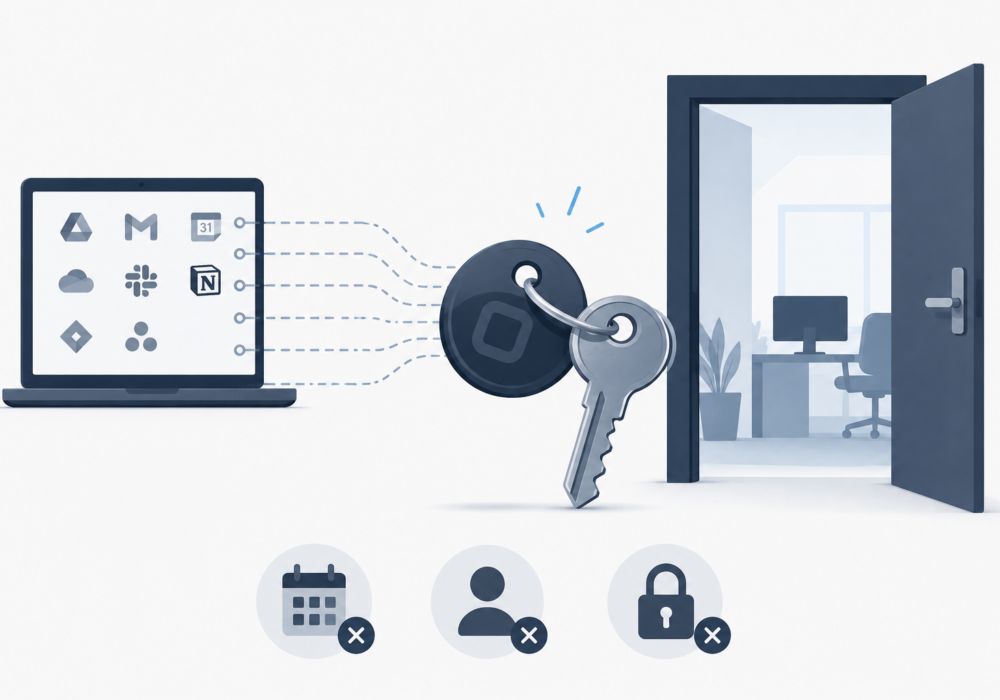
OAuth tokens don't expire when employees leave, passwords change, or apps go rogue. Your security program needs...
Read more
Most breaches don't start with a hacker in a hoodie cracking code at 3am. They start with your username and a...
Read moreGet sharper eyes on human risks, with the positive approach that beats traditional phish testing.