Response is the activities that address the short-term, direct effects of an incident and may also support short-term recovery. In cybersecurity, response encompasses both automated and manual activities.
Your business needs to take proactive measures today to first reduce its chances of being hit by ransomware, phishing, or other cybersecurity attacks. Secondly, validate backups and disaster recovery plans are current and functioning in case you end up hit with ransomware. CyberHoot recommends the following best practices to avoid, prepare for, and prevent damage from these attacks:
Start building your robust, defense-in-depth cybersecurity plan at CyberHoot.
Related Term: Recovery
Source: National Infrastructure Protection Plan, NCPS Target Architecture Glossary
https://www.youtube.com/watch?v=AsO2Owef3qA
Discover and share the latest cybersecurity trends, tips and best practices – alongside new threats to watch out for.
Author: Katie Boquetti | Editorial: Craig Taylor Editorial by Craig Taylor: I remember the early days of...
Read more
Author: Katie Boquetti | Editorial: Craig Taylor Editorial by Craig Taylor: This week's blog has a...
Read more
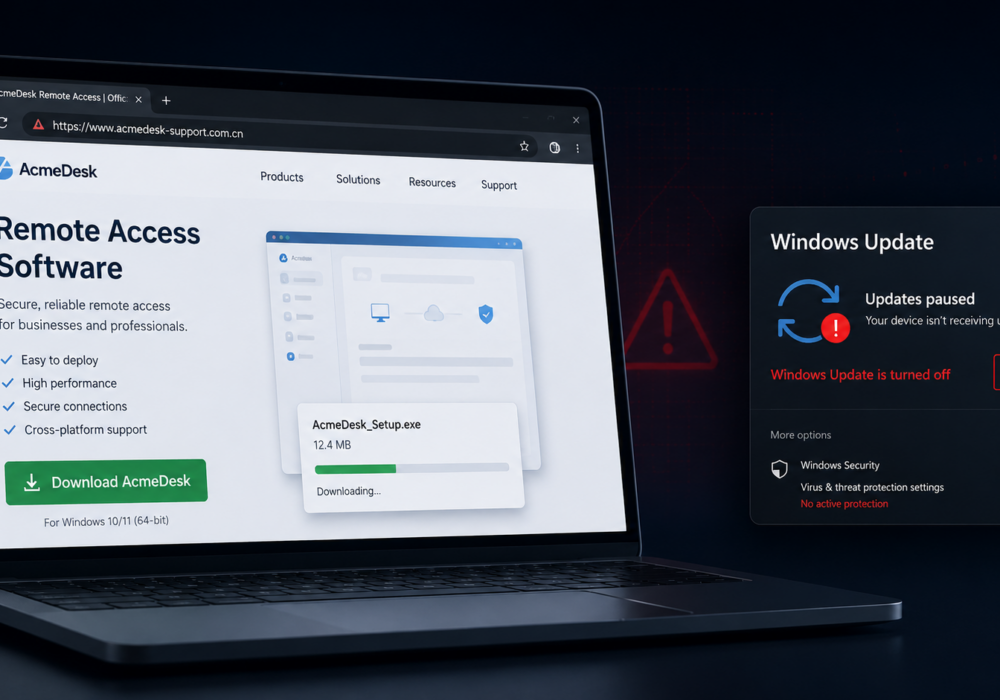
Every so often a piece of malware comes along with a trick clever enough to make security researchers pause and...
Read moreGet sharper eyes on human risks, with the positive approach that beats traditional phish testing.