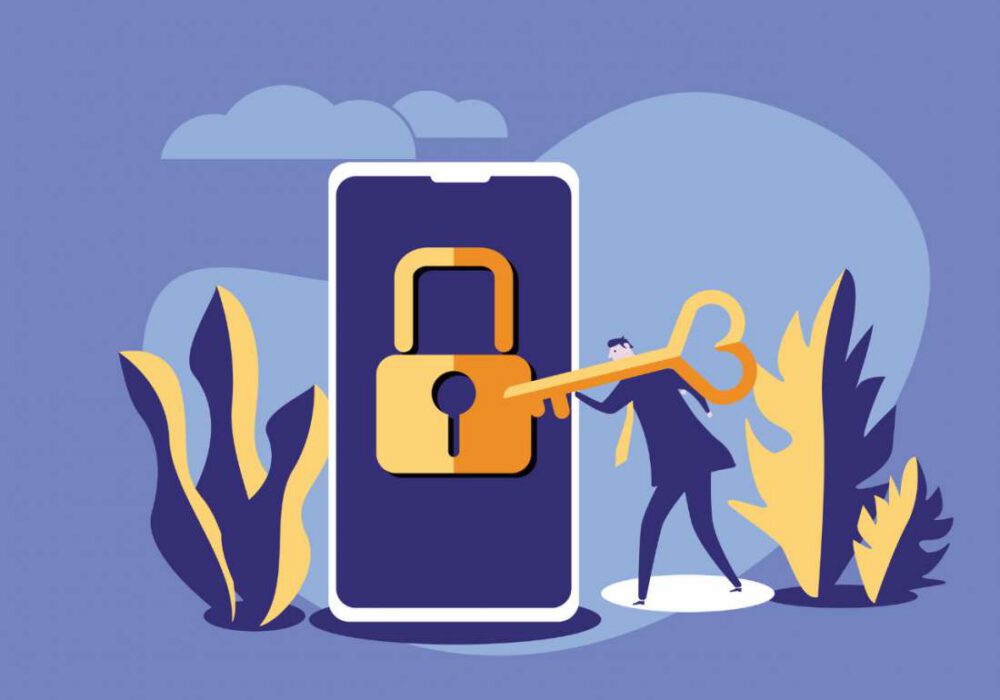
Jailbreaking is the exploiting of manufacturer or carrier operating systems, often by removing restrictions from a device like an iPhone. The exploit usually involves running a privilege escalation attack on a user’s device to replace the manufacturer’s factory-installed operating system with a custom kernel. Apple users often jailbreak iPhones to install programs that are not available through Apple’s marketplace. Unethical developers that don’t want to comply with Apple’s App Store policies often post apps on Cydia or other app sites used for jailbroken devices.
Jailbreaking can also be used to bypass Digital Rights Management (DRM) and share copyrighted media, or to access file systems, user interfaces, or network capabilities that are usually locked down.
There are certainly some benefits of having jailbroken devices, they don’t come without risks:
Jailbreaking an iPhone may have a place in a small number of companies doing development that require special testing scenarios, however, for the vast majority of companies, your Acceptable Use and Mobile Device Management policies should prohibit employees from using Jailbroken or rooted devices from accessing, storing or processing any sensitive or critical company data.
Sources:
Additional Reading:
How To Protect Yourself From Malware
Related Terms:
Discover and share the latest cybersecurity trends, tips and best practices – alongside new threats to watch out for.

Picture yourself on the highway, cruising about 20 over the limit with the rest of traffic. Up ahead, brake...
Read more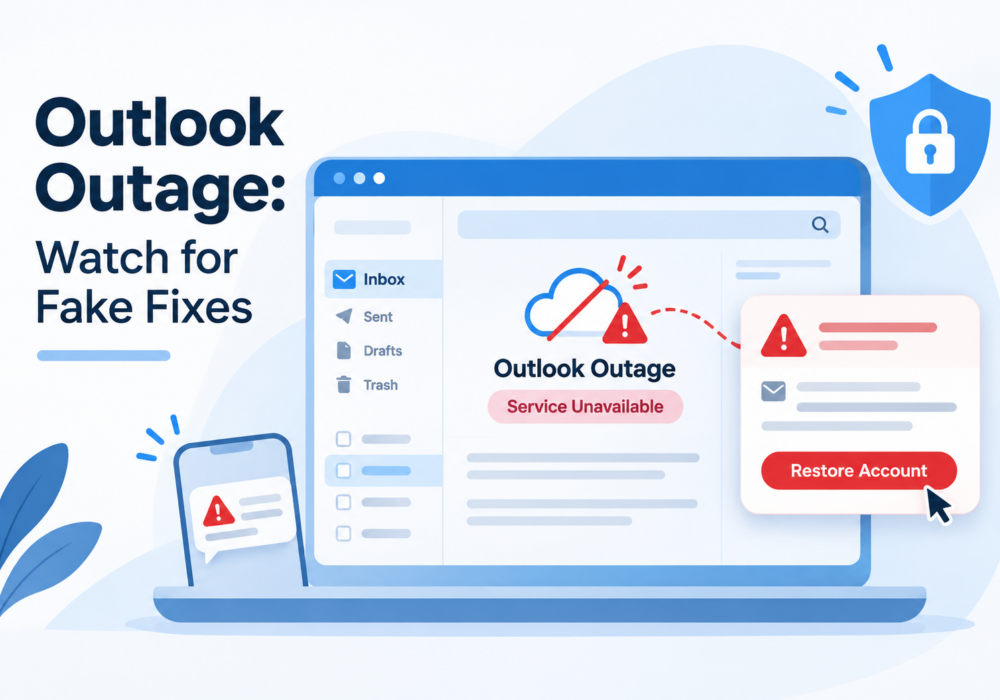
What Is Happening On Thursday, November 12, 2026, around 11 a.m. Eastern, Microsoft Outlook stopped working...
Read more
Author: Katie Boquetti | Editorial: Craig Taylor Editorial by Craig Taylor: “Power tends to corrupt,...
Read moreGive your people sharper eyes, with the positive approach that beats traditional phish testing.