CyberHoot has learned there is a new Zero-Day vulnerability in Chrome actively being exploited in the Wild. Your computer can be compromised just by visiting a malicious website. That is seriously bad!
While Chrome automatically updates itself, you need to force it to update if you reboot your computer infrequently.
Chrome only updates itself when it fully restarts; which happens each time you reboot your computer.
However, you can manually force chrome to update by checking the version of Chrome which initiates the update process.

2. Scroll down in the menu to “Help” and then Click the “About Google Chrome” button as shown below.
This forces Chrome to update itself manually.

3. Exit and restart Chrome. This is the only time that Chrome completes its update process.

4. As a best practice, you should consider restarting Chrome every day or two to ensure you’re automatically updated.
Discover and share the latest cybersecurity trends, tips and best practices – alongside new threats to watch out for.

Author: Katie Boquetti | Editorial: Craig Taylor Editorial by Craig Taylor: Even before Claude Code made...
Read more
Author: Katie Boquetti | Editorial: Craig Taylor Editorial by Craig Taylor: We've known for a while here...
Read more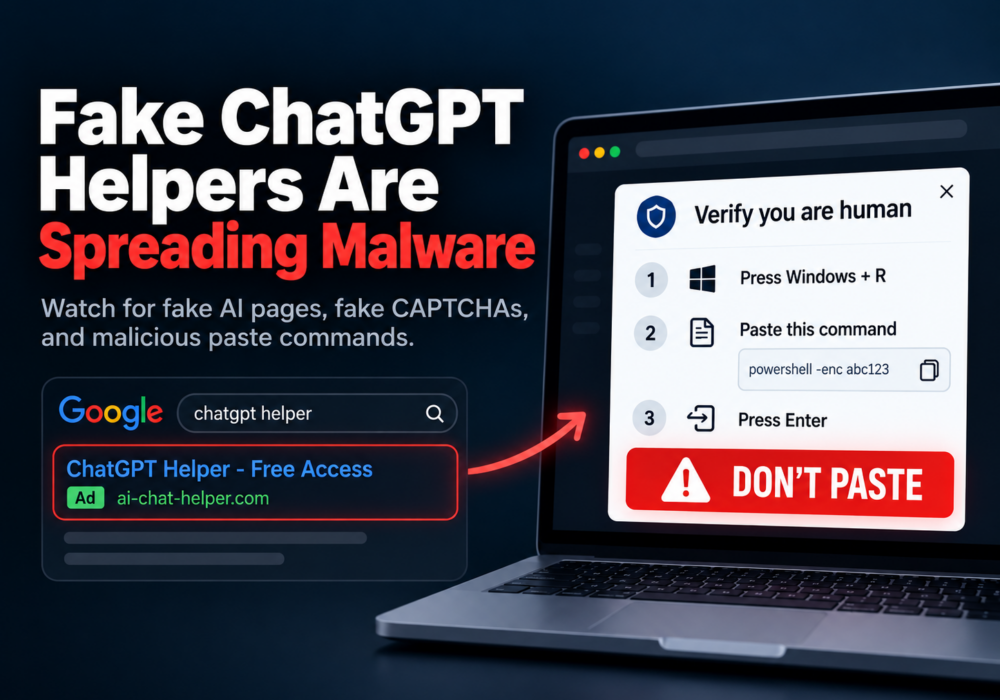
Author: Katie Boquetti | Editorial: Craig Taylor Editorial by Craig Taylor: A CAPTCHA should test whether...
Read moreGet sharper eyes on human risks, with the positive approach that beats traditional phish testing.