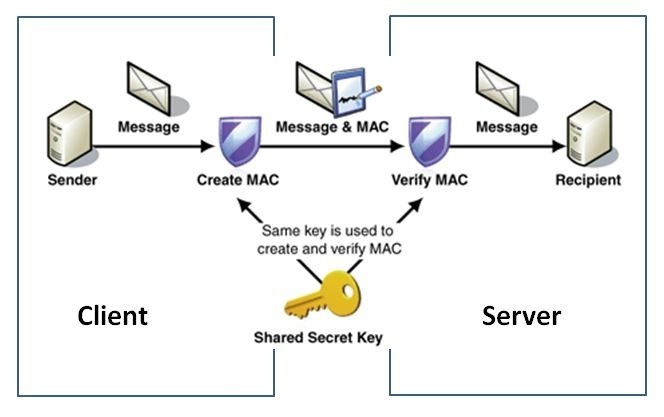
HMAC Authentication is short for Hash-Based Message Authentication Code, a strategy used to verify the integrity and authenticity of a message. This strategy is different from other authenticaton methods in the way that it used a cryptographic key along with a hash function. The algorithm behind the hashed message authentication code is complicated by hashing being performed twice. This helps in resisting forms of cryptographic analysis and protecting against threats. A hashed message authentication code is considered to be more secure than other similar message authentication codes, as the data transmitted and key used in the process are hashed separately.
Sources: Techopedia, Mark Wolfe
Additional Reading: Detailing Veracode’s HMAC API Authentication
Related Terms: Authentication, Cryptography, Hashing, Two-Factor Authentication
SMBs and any other business should enable HMAC Authentication whenever possible. Just like two-factor authentication, HMAC authentication will improve account and message security. If you are a Managed Service Provider or manage a team of IT resources, you should ensure your IT professionals know how to implement and use HMAC Authentication.
If you develop software, you should consider using HMAC Authentication to establish secure communication between any clients you develop and the servers they connect to. Just be sure to validate the underlying cryptographic algorithms you’re using.
https://www.youtube.com/watch?v=TcmLVilowb8
Discover and share the latest cybersecurity trends, tips and best practices – alongside new threats to watch out for.
You now have five important reasons to start a router security conversation with your small business clients this...
Read more
OAuth tokens don't expire when employees leave, passwords change, or apps go rogue. Your security program needs...
Read more
Most breaches don't start with a hacker in a hoodie cracking code at 3am. They start with your username and a...
Read moreGet sharper eyes on human risks, with the positive approach that beats traditional phish testing.