Cybercriminals are constantly evolving their tactics, and a new exploit called DoubleClickJacking has emerged, bypassing traditional security measures. This alarming threat targets unsuspecting users by manipulating legitimate website functionalities to steal sensitive information or take unauthorized actions. Here’s everything you need to know about this exploit and how to protect yourself.
DoubleClickJacking is a sophisticated variant of the classic clickjacking attack. Traditional ClickJacking tricks users into clicking something different than what they perceive, often leading to malicious actions.
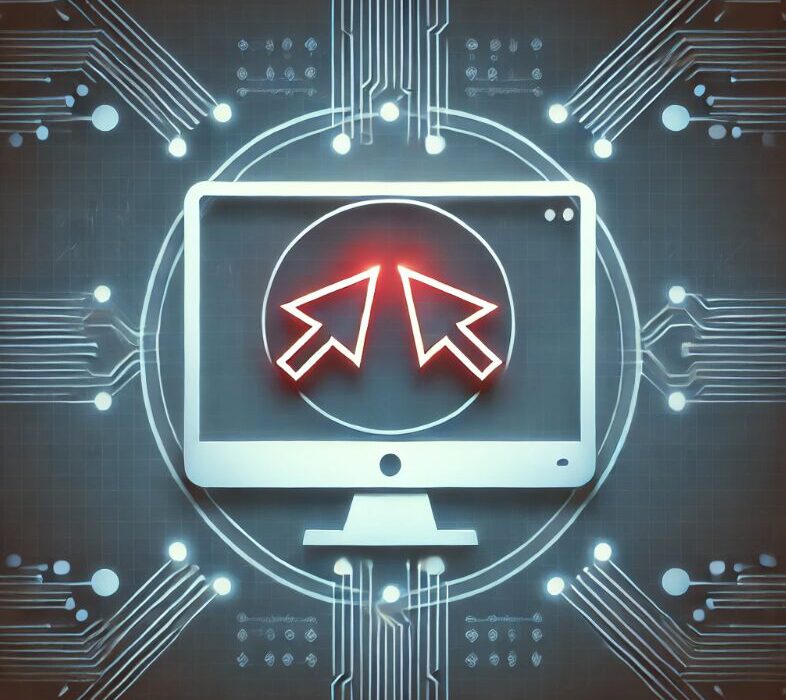
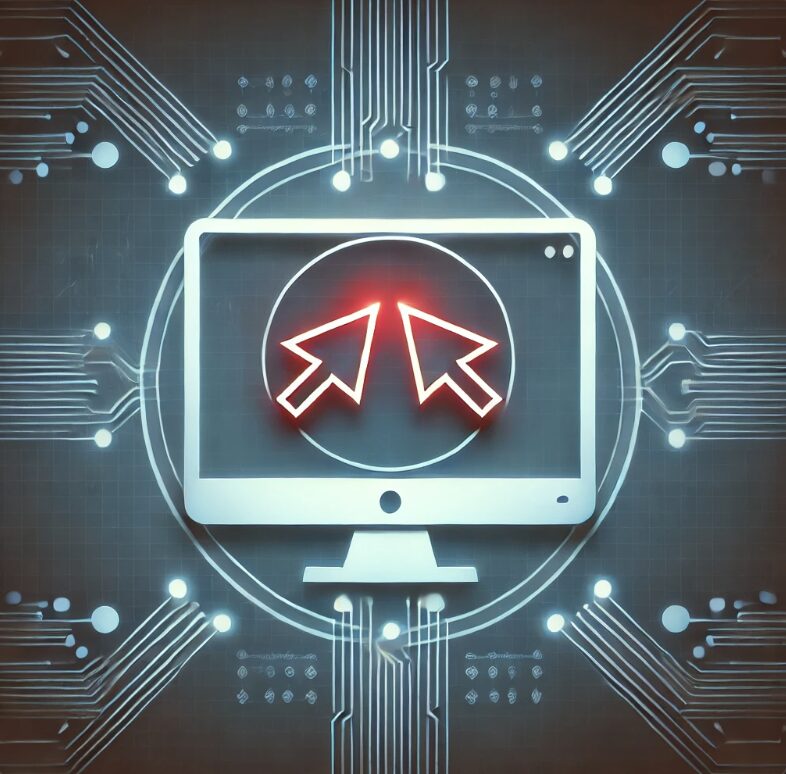
With DoubleClickJacking, attackers exploit legitimate interactive elements on trusted websites. They layer hidden malicious commands under visible buttons or forms. When users double-click on an interface, the first click interacts with the expected element, but the second activates the concealed malicious command in a veritable “bait and switch” attack.
DoubleClickjacking is particularly concerning for:
The rise of DoubleClickJacking highlights the need for alertness in a rapidly evolving threat landscape. For users, caution and awareness are your best defenses. For businesses, proactive measures like implementing robust security protocols and monitoring for suspicious activities can mitigate the risks.
Cybersecurity threats are becoming increasingly complex, and DoubleClickJacking is a stark reminder of the importance of layered defenses. By staying informed and proactive, you can minimize the risks posed by these emerging exploits. Stay safe online, and remember—when in doubt, don’t click.
Not ready to sign up yet, but want to learn more? Attend our monthly webinar to see a demo of CyberHoot, ask questions, and learn what’s new. Click the Green Box below to Register. You want to, I can feel it!
Discover and share the latest cybersecurity trends, tips and best practices – alongside new threats to watch out for.

Author: Katie Boquetti | Editorial: Craig Taylor Editorial by Craig Taylor: We've known for a while here...
Read more
Author: Katie Boquetti | Editorial: Craig Taylor Editorial by Craig Taylor: I'm blessed to have...
Read more
Author: Katie Boquetti | Editorial: Craig Taylor Editorial by Craig Taylor: I remember the early days of...
Read moreGet sharper eyes on human risks, with the positive approach that beats traditional phish testing.