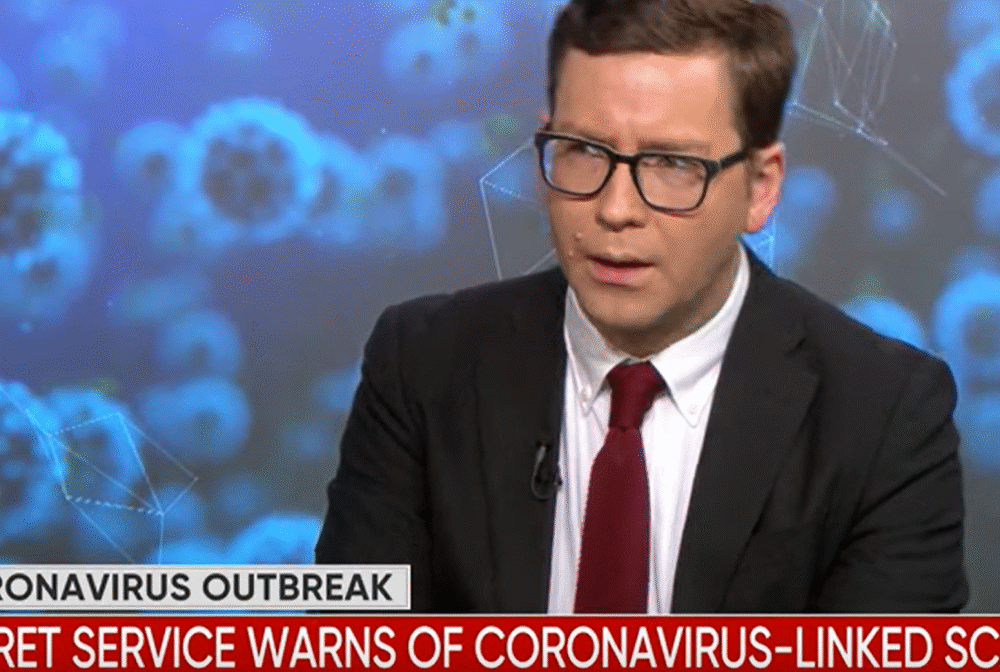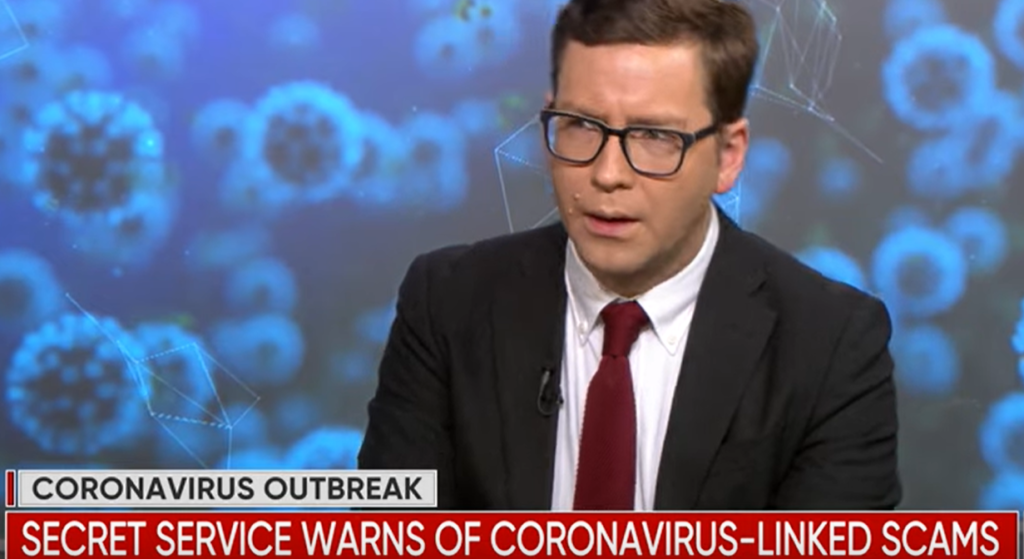
The latest in a series of coronavirus related phishing attacks may be the most believable yet. Hackers are sending hospital notifications to unsuspecting email recipients notifying them that a friend, colleague, or family member tested positive for COVID-19 and reported you as being exposed. The email states it is your civic responsibility to download and complete the “pre-filled” paperwork to prevent the spread and limit deaths from this virus.
When people open the attachment, the malware installs on your machine and compromises it. Various bad things happen at this point. Your computer data is fully encrypted until you pay a ransom. Malware sits in the background stealing and sending your passwords to the hackers to breach more of your accounts. Still, other malware uses your system resources to farm for bitcoins. No good can come from unsolicited attachments you open!
Congratulations! You read to the end. You are becoming more cyber-aware, and with awareness, you’re more secure!
Discover and share the latest cybersecurity trends, tips and best practices – alongside new threats to watch out for.
Author: Katie Boquetti | Editorial: Craig Taylor Editorial by Craig Taylor: Even before Claude Code made...
Read more
Author: Katie Boquetti | Editorial: Craig Taylor Editorial by Craig Taylor: We've known for a while here...
Read more
Author: Katie Boquetti | Editorial: Craig Taylor Editorial by Craig Taylor: A CAPTCHA should test whether...
Read moreGet sharper eyes on human risks, with the positive approach that beats traditional phish testing.